Wender Pets
Every "best dogs for kids" article gives you the same list: Golden Retriever, Labrador, Beagle. Done. Next article.
But here's what those lists miss: a dog that's perfect for your 8-year-old might be a terrible match for your toddler. And the breed that thrives with a teenager who runs cross-country is going to be miserable in a house with a 3-year-old who moves unpredictably and screams at random intervals.
Kids change dramatically every few years, and the dog that matches their energy, maturity, and needs changes with them. So we're breaking this down by age group — because your kid's developmental stage matters as much as the dog's temperament.
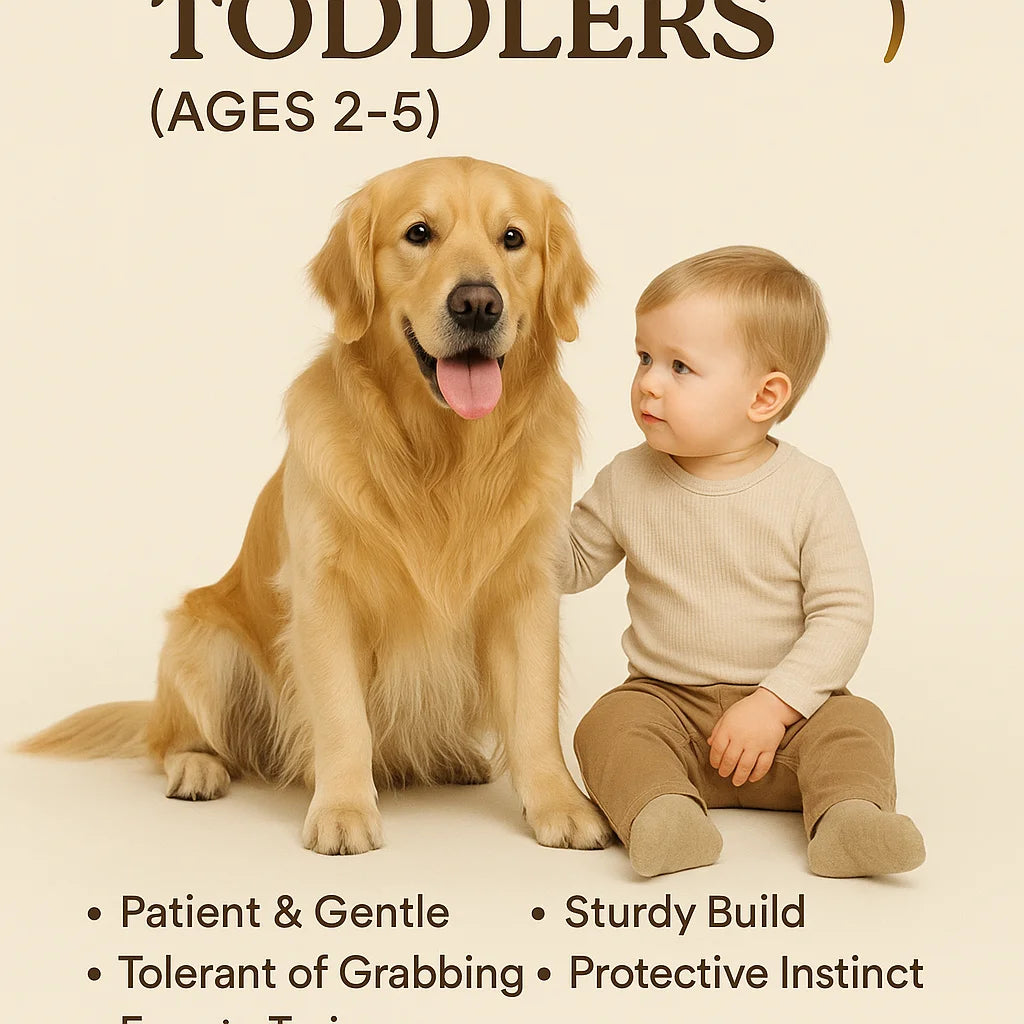
Toddlers (Ages 2-5): Gentle, Patient, Unbreakable
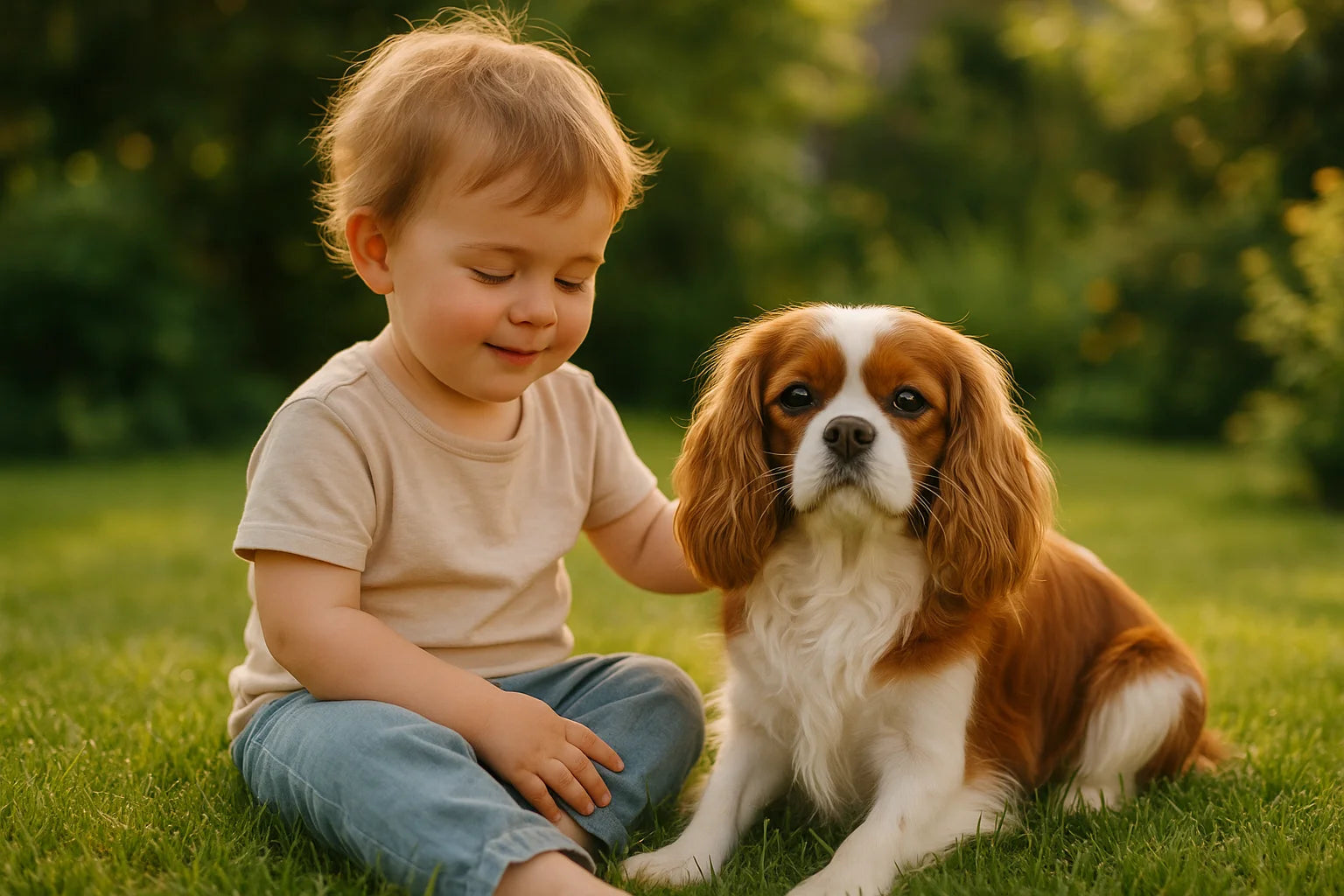
Let's be honest about toddlers: they're unpredictable, grabby, loud, and they have zero understanding of how to interact with animals. They'll pull ears, step on tails, shove their face directly into a dog's face, and hug with the grip strength of a tiny vice.
The dog you need for this stage must be patient beyond reason, sturdy enough to handle accidental roughness, and naturally gentle in their responses. The dog's size matters too — big enough that a toddler can't accidentally hurt them, calm enough that they won't knock a small child over.
Top Picks for Toddlers
Golden Retriever — The gold standard for toddler households. Goldens have an almost supernatural tolerance for small children. They've been bred for generations to have "soft mouths" (they were designed to carry game birds without damaging them), and that gentleness extends to everything they do. A Golden will endure ear-pulling, tail-grabbing, and toddler chaos with a patience that borders on saintly.
Labrador Retriever — Everything we said about Goldens, but slightly more bomb-proof. Labs are built like tanks — a toddler isn't going to hurt them, and they have the temperament to match the sturdiness. The one caveat: young Labs (under 2) are very energetic and can accidentally knock toddlers over with their enthusiasm. Consider an adult Lab if your kids are very small.
Cavalier King Charles Spaniel — For families who want a smaller, calmer option. Cavaliers are gentle by nature — almost impossibly so. They don't snap, they don't get overwhelmed, and they seem to intuitively understand that the tiny human needs extra care. They're also small enough that they won't accidentally bowl a toddler over.
Beagle — Compact, sturdy, nearly indestructible, and happy in chaos. Beagles were bred to work in packs, which means noise, commotion, and unpredictability don't faze them. They're the right size for toddlers — not so big they're intimidating, not so small they're fragile.
Newfoundland — The "nanny dog" reputation is well-earned. Newfoundlands are 100+ pounds of pure gentleness. They're calm, watchful, and they have an almost parental instinct around small children. The trade-off is size (they take up a lot of space) and drool (bring a towel).
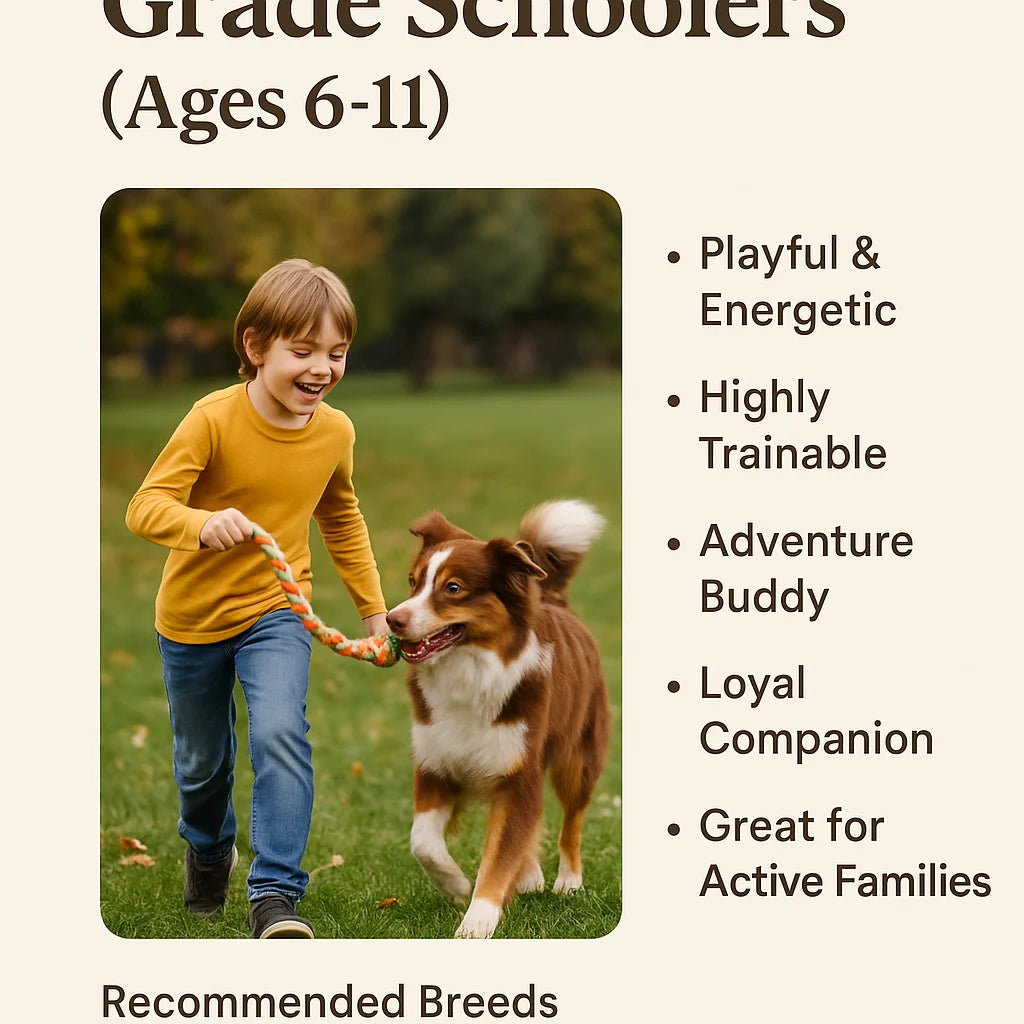
Grade Schoolers (Ages 6-11): Playful, Trainable, Adventure Buddies
Grade school is the sweet spot for dog ownership. Kids at this age are old enough to participate in care (feeding, walking, basic training), coordinated enough to play safely, and young enough that a dog can become their best friend in a way that shapes their entire childhood.
The ideal dog for this age group is energetic enough to keep up with an active kid, trainable enough that the child can participate in training, and social enough to enjoy the constant attention.
Top Picks for Grade Schoolers
Australian Shepherd — Aussies are the ultimate adventure dog for active families. They're smart enough to learn tricks that will impress every kid on the block, athletic enough for hiking and swimming, and loyal enough to become your child's shadow. They do need exercise — a lot of it — but a grade schooler with an Aussie will never have an excuse to say they're bored.
Boxer — The eternal puppy meets the eternal child. Boxers match grade school energy perfectly — they're goofy, physical, and tireless in a way that pairs beautifully with the 6-11 age range. They're also naturally protective without being aggressive, which gives parents peace of mind.
Standard Poodle — Don't let the reputation fool you — Standard Poodles are athletic, intelligent, and genuinely fun. They're one of the best dogs for kids who want to actively train and work with their dog. Agility courses, trick training, dock diving — a Poodle is game for anything. Low-shedding coat is a bonus for the parent doing the vacuuming.
Cocker Spaniel — The perfect balance of sporty and sweet. Cockers are active enough for outdoor adventures but calm enough for rainy-day snuggles. They're eager to please, which makes them forgiving training partners for kids who are just learning how to work with a dog.
Vizsla — The "Velcro dog" of the sporting world. Vizslas are relentlessly affectionate, endlessly energetic, and they form bonds with their family that border on codependency (in the best way). If you have an active family that hikes, bikes, and spends weekends outside, a Vizsla will be the happiest dog alive.
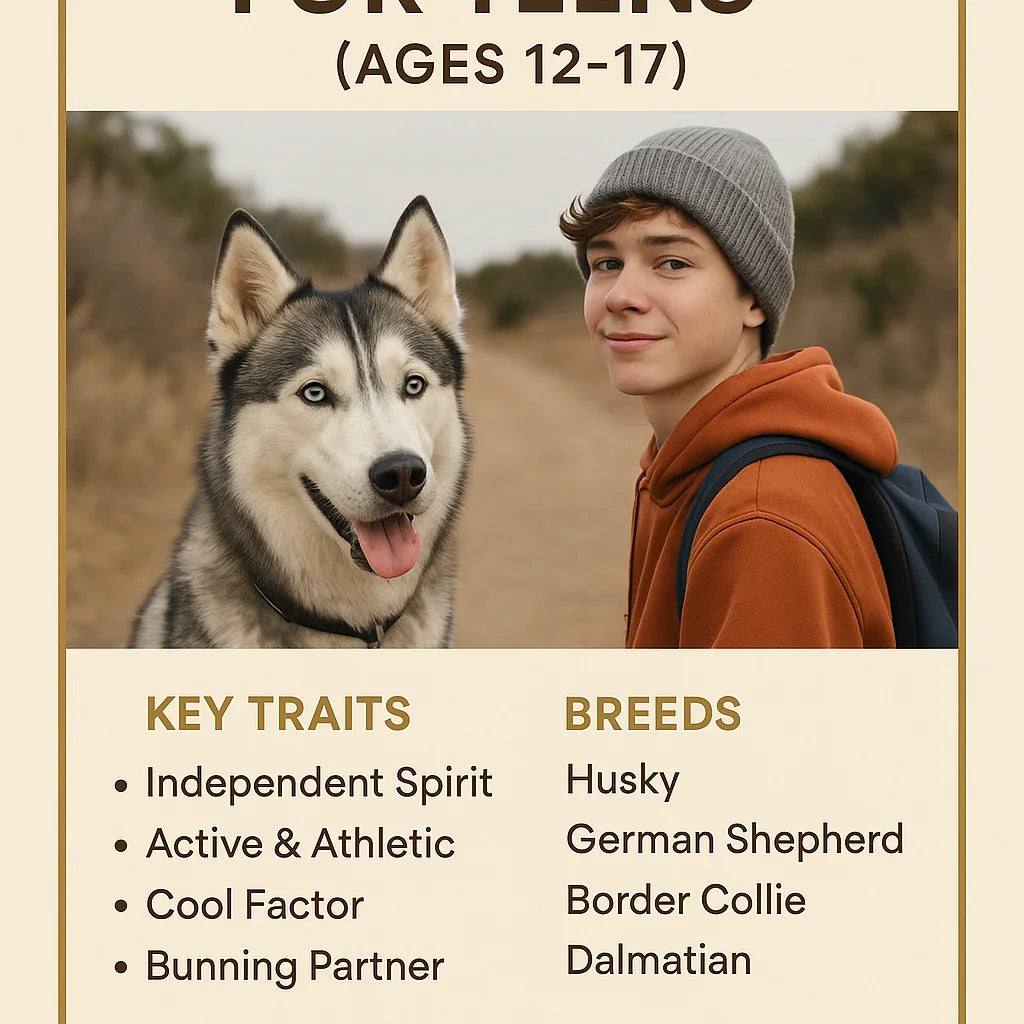
Teens (Ages 12-17): Independent, Active, "Cool Factor"
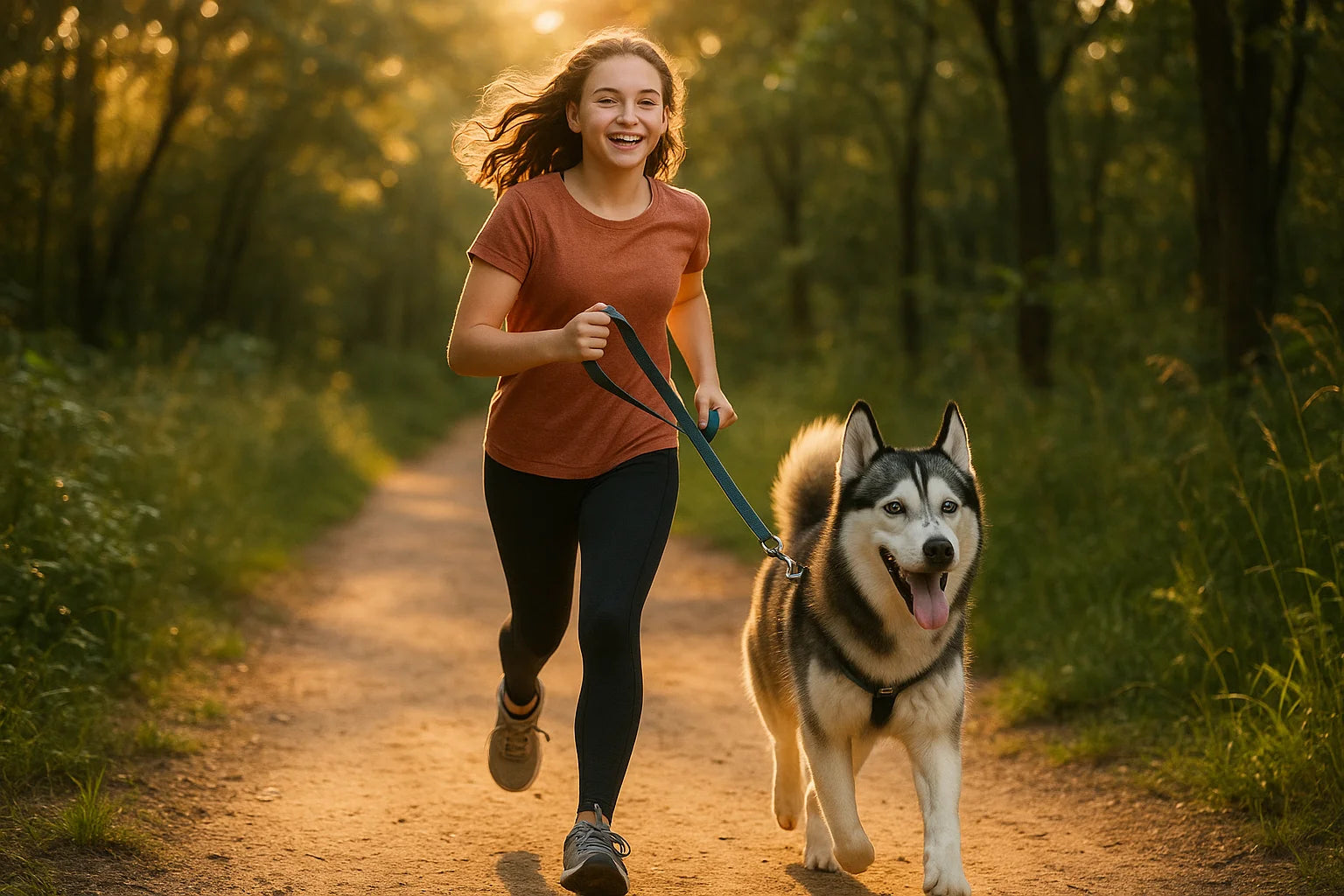
Teenagers want a dog that's impressive, active, and maybe a little bit challenging — a dog that feels like their dog, not the family pet. This is the age where a kid can handle a more demanding breed, take on real responsibility for daily care, and build a relationship with a dog that requires effort to earn.
The best teen dogs are breeds with enough personality to be interesting, enough energy for an active lifestyle, and enough independence that the relationship feels earned rather than given.
Top Picks for Teens
Siberian Husky — Huskies are the quintessential "cool" dog — striking, athletic, and independent enough to keep a teen engaged. They need serious exercise (running, hiking, pulling sports), and a teenager with energy to burn is an ideal match. Fair warning: Huskies are escape artists and drama queens. Your teen will learn responsibility fast, or they'll learn what it feels like to chase a dog three blocks in their pajamas.
German Shepherd — For the teen who wants a true partnership. German Shepherds are intelligent, trainable, and deeply bonded to their primary handler. A teenager who invests in training a GSD will develop a relationship unlike anything else — these dogs reward effort with a loyalty that's genuinely moving. They're also impressively versatile: agility, obedience, tracking, protection sports.
Border Collie — The smartest dog breed alive, by most measures. Border Collies need a handler who can keep up mentally, and a motivated teenager is often a perfect match. They excel at every dog sport, learn tricks with frightening speed, and they'll push a teen to be a better trainer. Not for a teen who just wants a dog to pet — for a teen who wants a project.
Dalmatian — Athletic, distinctive, and built for endurance. Dalmatians were originally coaching dogs — they ran alongside horse-drawn carriages for miles. A teenager who runs, bikes, or does outdoor sports will find a devoted companion. Dalmatians are also more sensitive than they look — they need consistent, positive training and don't do well with the erratic schedules that plague some teen owners.
Australian Cattle Dog — Tough, smart, and built for work. ACDs aren't for every teenager, but for a motivated, active teen — especially one interested in dog sports or who lives on property with land — they're an incredible match. They're loyal to a fault, endlessly clever, and they'll challenge a teen to rise to their level.
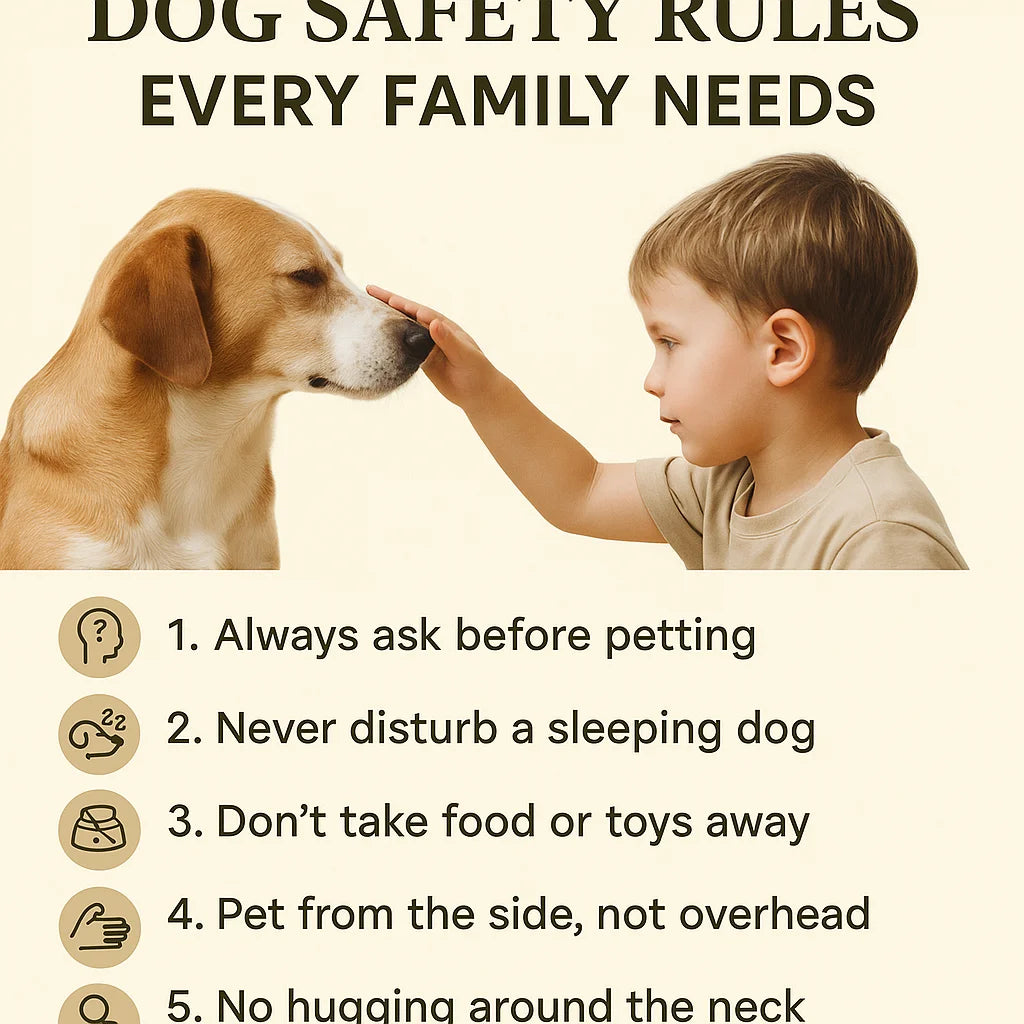
Safety Tips for Every Age
No matter which breed you choose, these rules apply across the board:
🛡️ Non-Negotiable Safety Rules
- 1. Never leave any child under 6 unsupervised with any dog. Any breed. Any size. Any temperament. Period.
- 2. Teach "dog body language" before the dog comes home. Kids should know: lip licking, whale eye, and a tucked tail mean "leave me alone."
- 3. Give the dog an escape route. Every dog needs a space where they can retreat from kid energy — a crate, a gated room, a bed that's off-limits to children.
- 4. Don't let kids bother sleeping or eating dogs. This is when most bites happen.
- 5. Match the dog's age to your kids' ages. Puppies with toddlers means double the chaos. An adult dog (2-4 years) with settled temperament is often a better choice for young families.
Breeds to Think Twice About
We're not saying these breeds are bad with kids — in the right hands, any breed can be a great family dog. But these breeds have characteristics that make them a higher-risk choice for families with children:
- Akita — Loyal to their family but can be unpredictable with visiting children. Strong guarding instinct requires experienced management.
- Chihuahua — Too fragile for young children and often develops snappiness as a defense mechanism when handled roughly.
- Chow Chow — Independent, strong-willed, and typically bonds closely with one person. Not naturally inclined toward the chaos of a kid-filled household.
- Weimaraner — High-energy and high-anxiety is a tough combination around unpredictable children. Can be mouthy and physically overwhelming.
- Any working/guardian breed without extensive socialization — Cane Corsos, Rottweilers, Belgian Malinois, and similar breeds can be exceptional family dogs, but they require experienced owners who invest heavily in early socialization and training.
The Bottom Line
The best dog for your family isn't the best dog in general — it's the best dog for your kids, right now. A 4-year-old needs patience and sturdiness. An 8-year-old needs a playmate and training partner. A 15-year-old needs a challenge and a companion.
Match the breed to the stage, not just the species. Your kids — and your dog — will thank you.