Wender Pets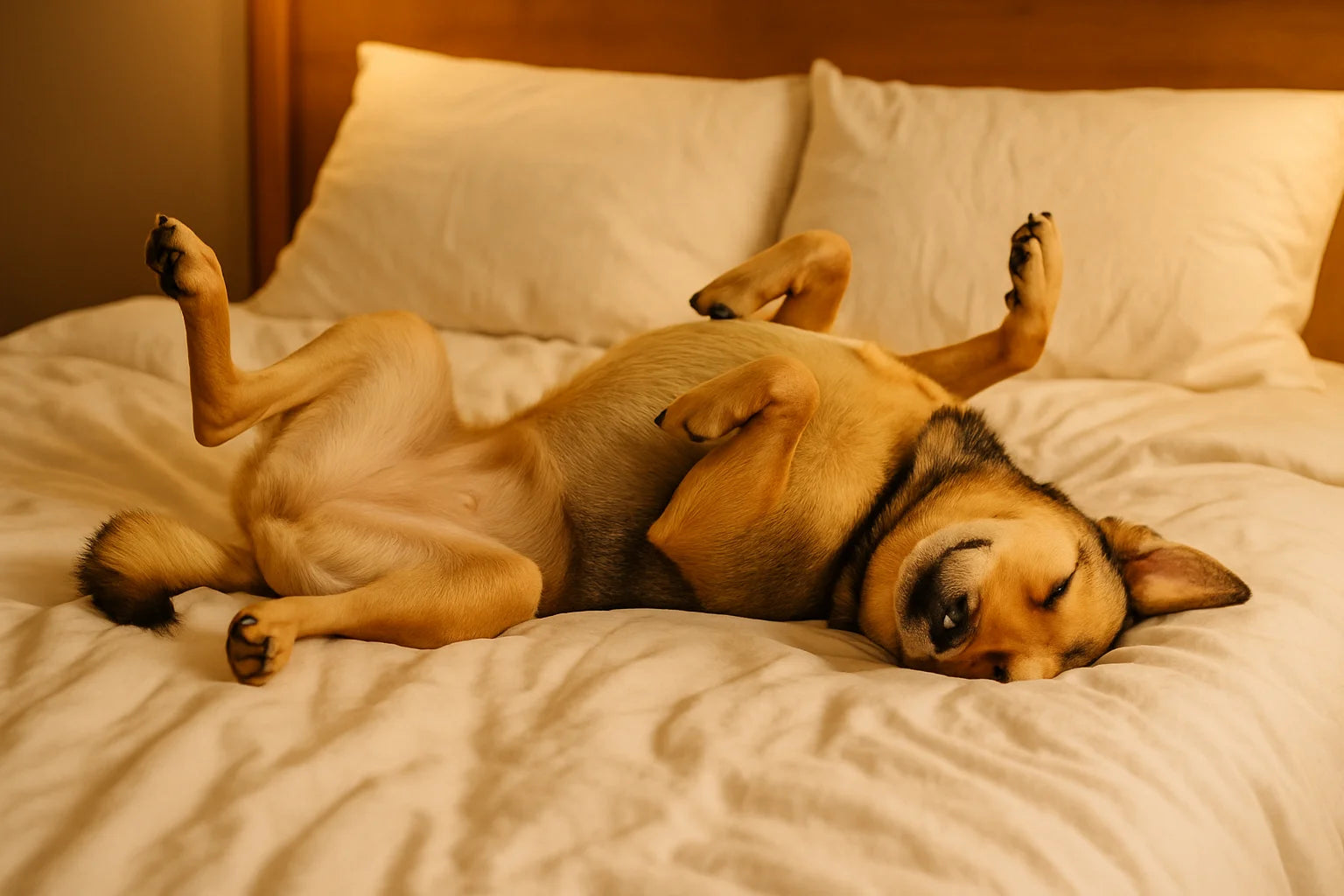
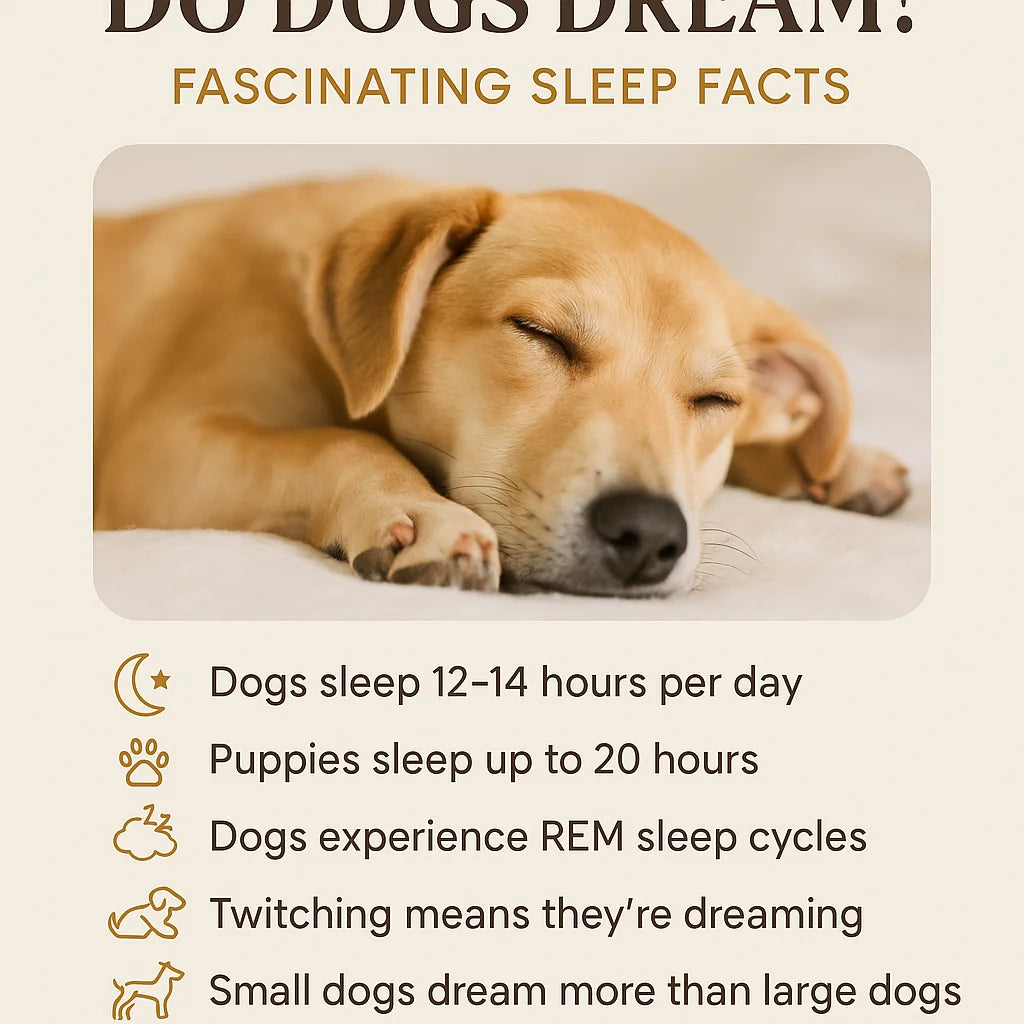
Dogs sleep 12-14 hours a day. That's a lot of time spent in some truly bizarre positions — twisted, curled, sprawled, contorted into shapes that would send a human to the chiropractor.
But here's the thing: those positions aren't random. Canine sleep posture is a window into your dog's emotional state, comfort level, and even their personality. Animal behaviorists have studied this (yes, this is a real field of research), and what they've found is genuinely fascinating.
Let's decode what your dog is telling you — one ridiculous sleeping position at a time.
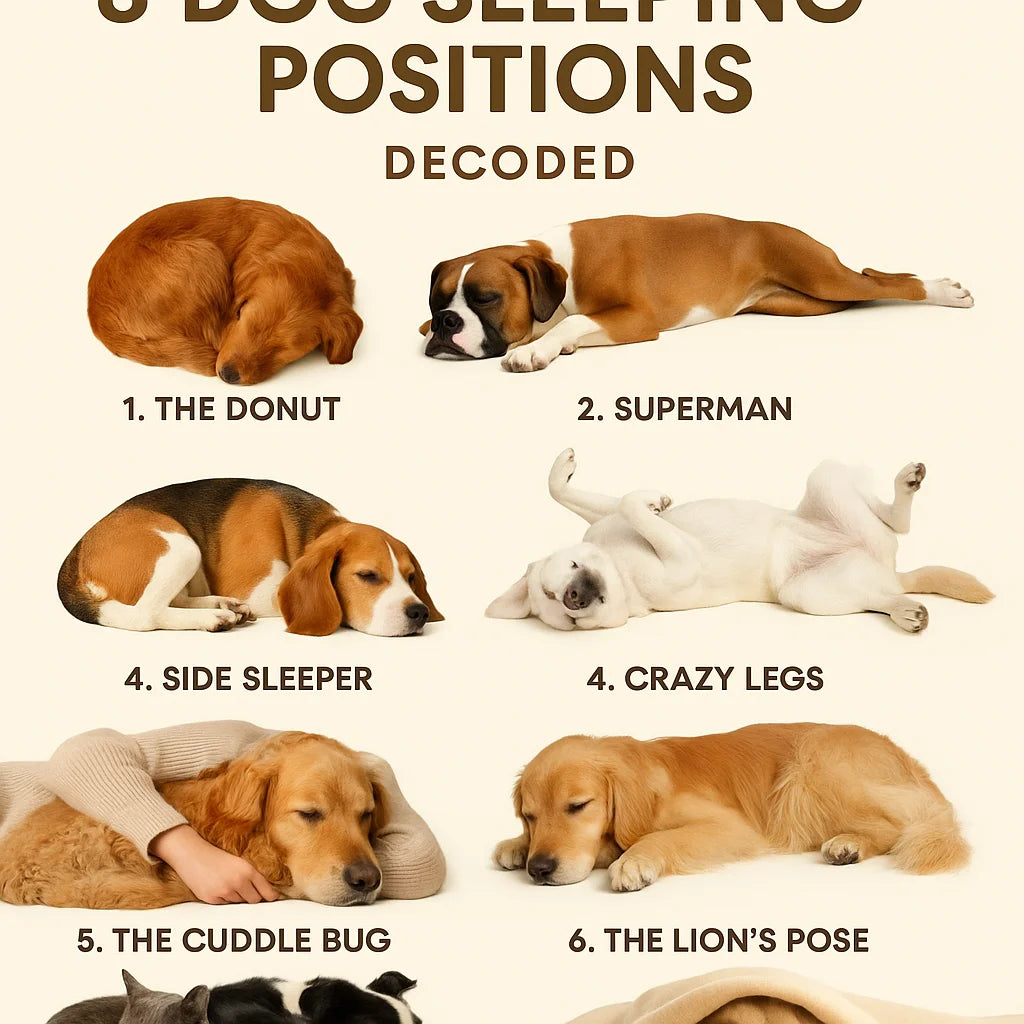
1. The Donut 🍩
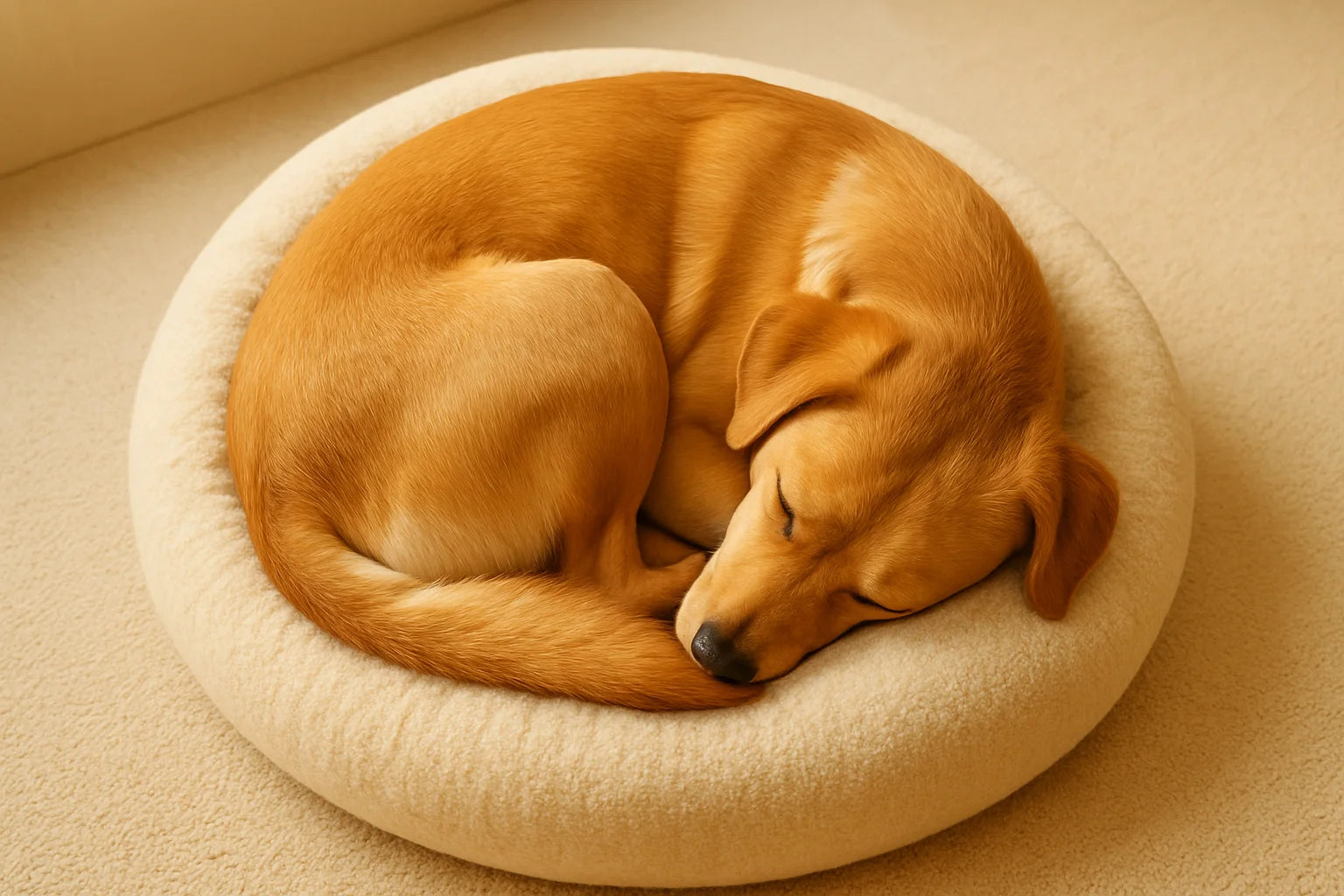
The position: Curled up in a tight ball, nose tucked into their tail, paws pulled close to the body. The classic cinnamon roll.
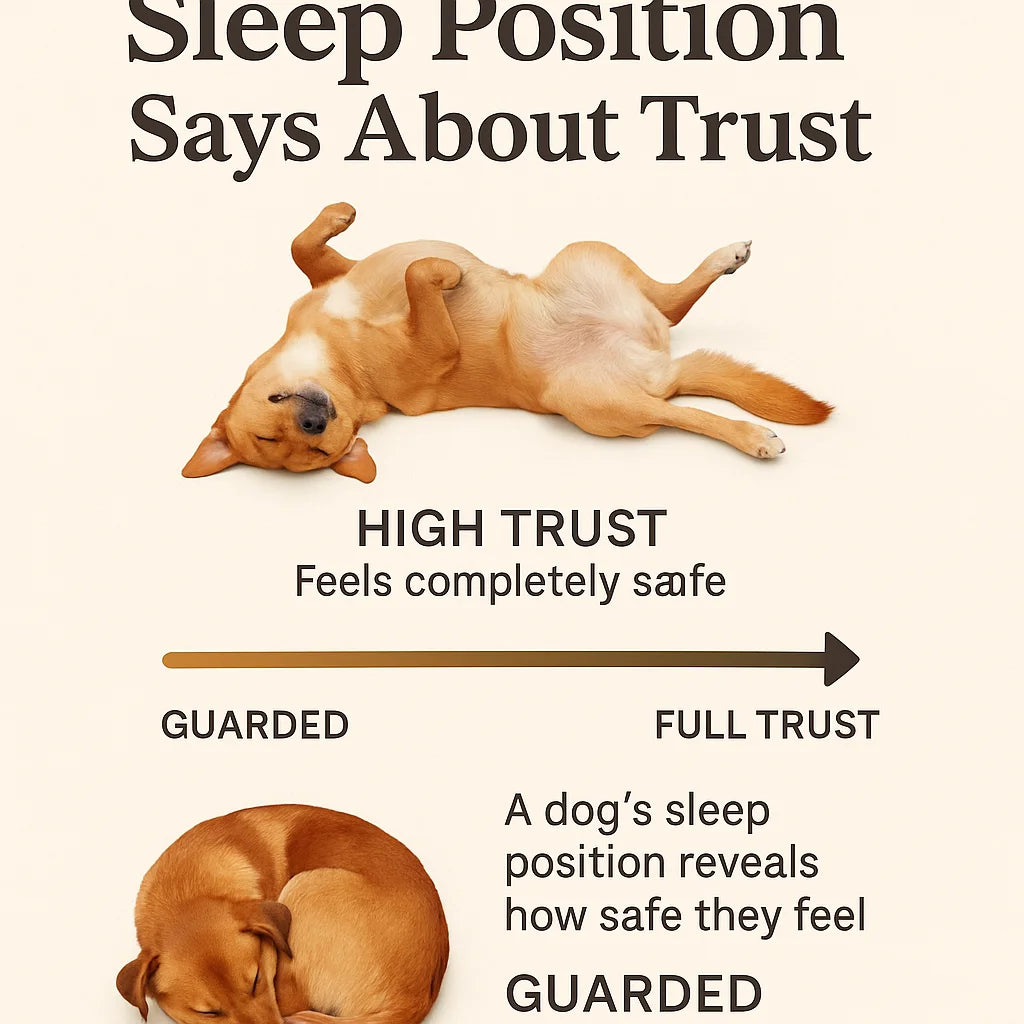
What it means: This is the most common dog sleeping position, and it's rooted in primal instinct. In the wild, canids curl up to protect their vital organs, conserve body heat, and stay ready to spring up at a moment's notice. It's a self-preservation position.
The psychology: Donut sleepers are either slightly chilly, in an unfamiliar environment, or naturally cautious personalities. If your dog always sleeps like this — even in summer, even in their safe space — they may have a more anxious or reserved temperament. If they switch to other positions when comfortable, they're just being practical.
Fun fact: Dogs who curl up tend to be described as "gentle" and "easygoing" by their owners — possibly because the position reflects a non-confrontational, self-contained personality.
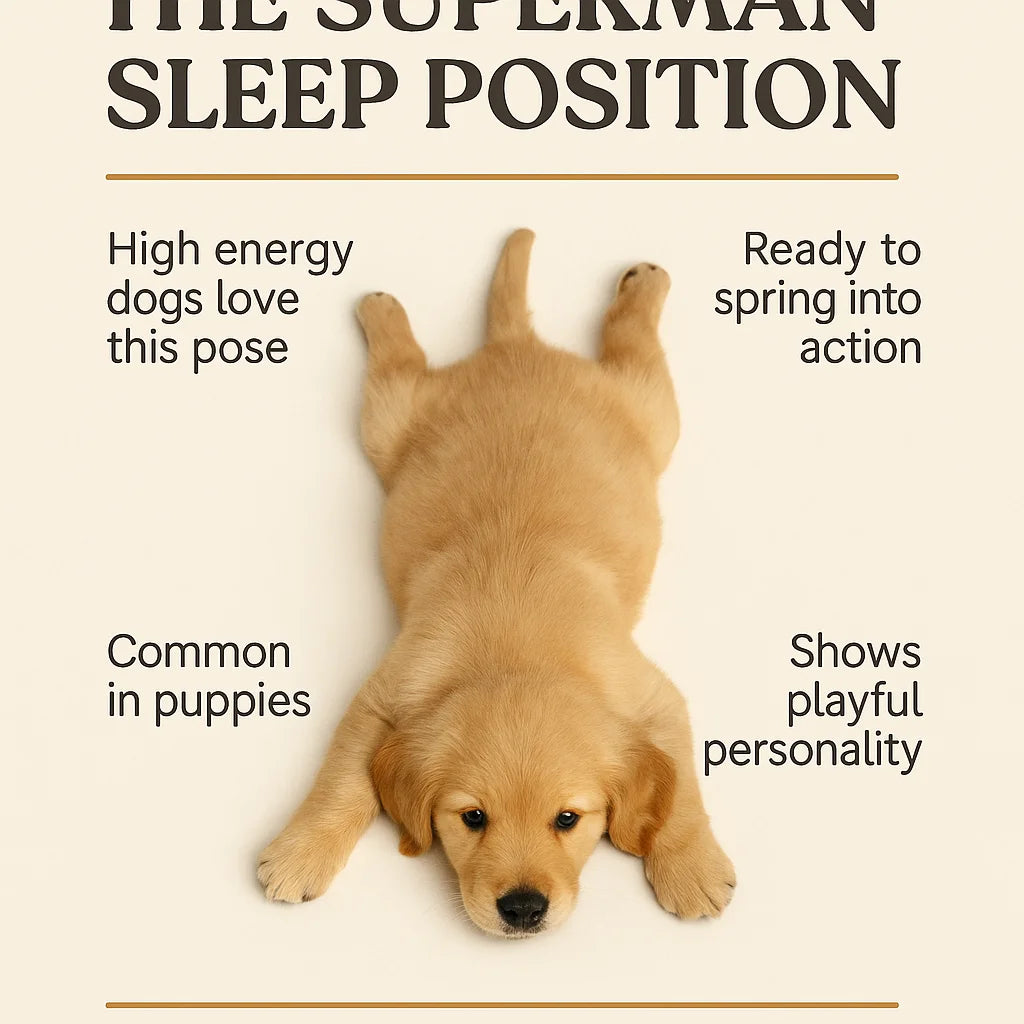
2. Superman (The Sploot) 🦸
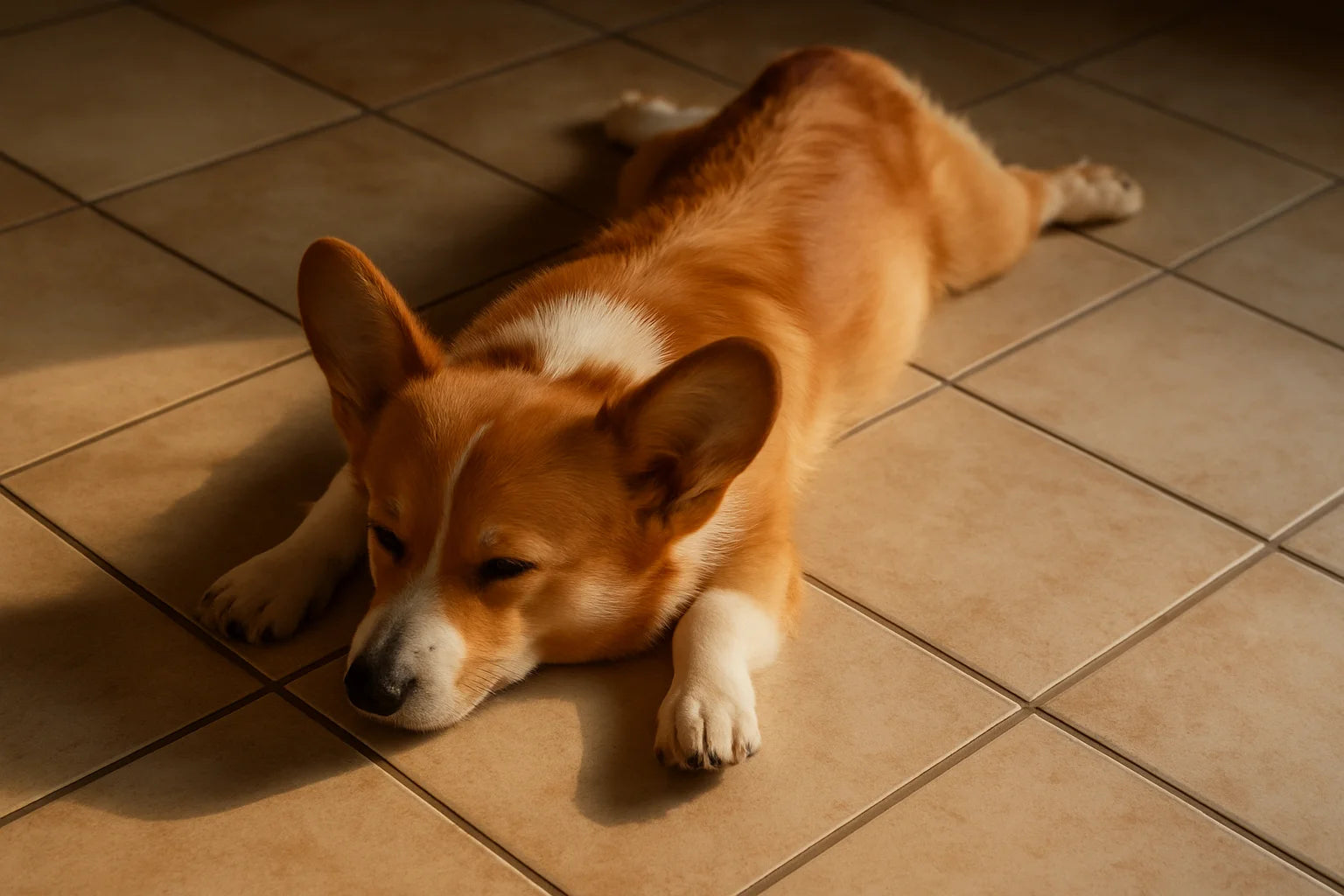
The position: Flat on their belly, all four legs stretched out — front paws forward, back legs kicked straight behind them. Maximum surface area contact with the floor.
What it means: This is the napping position of a dog who is not actually done being awake yet. Superman sleepers are ready to launch at a moment's notice. The position allows for the fastest possible transition from "sleeping" to "running full speed toward whatever just happened."
The psychology: Splooters are typically high-energy dogs, puppies, or dogs who suffer from serious FOMO. They're resting, but they're not committed to resting. They want to be the first one to the door when the doorbell rings, the first one to greet you when you stand up, the first one to investigate the suspicious noise from the kitchen.
Fun fact: The sploot is most common in puppies, Corgis, and French Bulldogs — breeds that either have endless energy or spectacularly short legs (or both).
3. The Side Sleeper
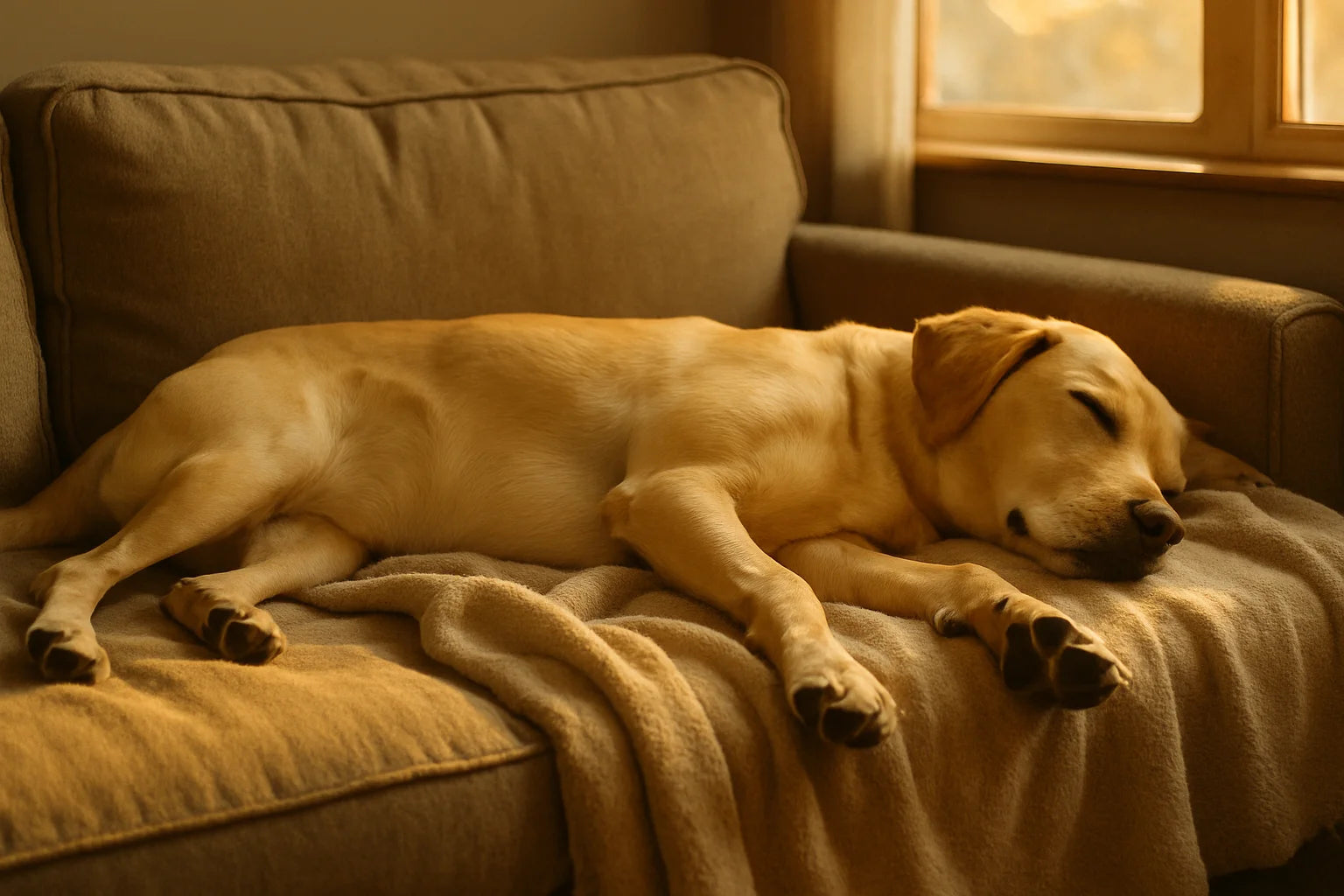
The position: Lying on their side, legs extended, body fully relaxed. Often accompanied by twitching, paddling, and dream-barking.
What it means: This is peak relaxation. A dog sleeping on their side is completely comfortable, completely trusting, and probably having an excellent dream about chasing squirrels. The side position exposes the belly — a vulnerable area — which means your dog feels utterly safe in their environment.
The psychology: Side sleepers are typically confident, secure, and bonded to their environment. If your dog sleeps like this regularly, congratulations: you've created a home where your dog feels genuinely safe. This is also the position where dogs enter REM sleep most easily, which is why you'll see the most dream activity here.
Fun fact: Dogs who primarily side-sleep are rated by researchers as more "relaxed" and "carefree" in temperament surveys. They also tend to be loyal and trusting with their families.
4. Crazy Legs (The Back Sleeper) 🦵🦵🦵🦵
The position: Flat on their back, all four legs sticking straight up in the air, in complete defiance of gravity and dignity. Usually with mouth slightly open, possibly snoring.
What it means: This is the ultimate vulnerability position. A dog sleeping belly-up with legs in the air has zero ability to spring into action and zero interest in doing so. They're exposing their throat, belly, and most vital areas to the world and could not care less.
The psychology: Back sleepers are the clowns of the dog world — confident, trusting, and spectacularly unbothered. This position also helps regulate body temperature, since dogs cool down through their paw pads and belly. So a back-sleeping dog is either supremely comfortable, a little warm, or (most likely) both.
Fun fact: This is the position most likely to end up on your Instagram. It's also the position most commonly seen in puppies and senior dogs — bookends of life where zero cares are given.
5. The Burrower 🕳️
The position: Buried under blankets, pillows, couch cushions, laundry piles — any available covering material. Sometimes only a nose sticks out. Sometimes not even that.
What it means: Burrowing is a denning instinct. Many dogs are hardwired to seek enclosed, covered spaces for sleep — it triggers a sense of security that goes back thousands of generations to when their ancestors slept in dens and burrows.
The psychology: Burrowers tend to be dogs who are either naturally anxious, naturally cold, or naturally the kind of creature that needs a weighted blanket and a white noise machine (relatable). Breeds with strong den instincts — Dachshunds, terriers, and Nordic breeds — are particularly prone to this behavior.
Fun fact: If your dog burrows, consider getting them a covered bed or a Snuggle Puppy. Dogs who burrow often sleep more deeply and longer when they have proper "den" bedding.
6. The Cuddle Bug 🐾❤️
The position: Pressed against you, another pet, or a stuffed animal. Maximum physical contact. Sometimes they're the big spoon, sometimes the little spoon, but contact is non-negotiable.
What it means: Contact sleeping is a bonding behavior. In the wild, pack animals sleep touching each other for warmth, protection, and social cohesion. Your dog pressing against you at night is saying "you're my pack" in the most literal way possible.
The psychology: Cuddle bugs are deeply bonded and often more emotionally dependent. This isn't a bad thing — it's actually a sign of healthy attachment. Breeds bred specifically for companionship (Cavalier King Charles Spaniels, Havanese, Italian Greyhounds) are especially prone to contact sleeping.
Fun fact: Studies show that dogs who sleep near or touching their owners show lower cortisol (stress hormone) levels. It goes both ways — owners who co-sleep with their dogs also show reduced stress. Science says cuddling is good for both of you. (Your mattress company disagrees.)
7. Head Elevated 🛋️
The position: Head propped up on a pillow, armrest, step, or another dog. Body relaxed, but head specifically elevated above body level.
What it means: Sometimes this is just comfortable — dogs, like people, sometimes prefer a pillow. But if your dog consistently sleeps with their head elevated, pay attention. It can be a sign that they breathe more easily with their airway elevated, which may indicate mild BOAS, allergies, or other respiratory issues.
The psychology: For dogs without breathing issues, head-elevated sleeping often indicates a dog who likes to stay semi-alert. They can open their eyes and survey the room without lifting their head — a surveillance position disguised as a nap.
Fun fact: Brachycephalic breeds (Bulldogs, Pugs, Boston Terriers) gravitate toward head-elevated sleeping because it genuinely helps them breathe. If your flat-faced dog seeks elevated head positions, it's worth mentioning to your vet.
8. Lion's Pose (The Sphinx) 🦁
The position: Head resting on front paws, body in a prone position — like a sphinx or a lion statue at a museum. Legs tucked neatly underneath.
What it means: This is a light rest position, not a deep sleep position. Dogs in Lion's Pose are taking a break but staying ready. Their muscles are engaged enough to stand quickly, and their head is positioned for maximum environmental awareness.
The psychology: Lion's Pose dogs are alert, protective, or just waiting for something better to happen. Working breeds and guardian breeds (German Shepherds, Rottweilers, Great Pyrenees) often default to this position — even when they're exhausted, they can't fully let their guard down.
Fun fact: If your dog sleeps exclusively in Lion's Pose and never switches to side or back sleeping, they may be struggling to fully relax. Consider whether their environment has stressors you haven't noticed — noise, unfamiliar smells, or an unpredictable household routine.
What If Your Dog Switches Positions?
Most dogs rotate through several positions during the night, and this is completely normal. A typical sleep cycle might look like: Lion's Pose → Donut → Side Sleeper → Back Sleeper → Cuddle Bug. Each position corresponds to a different sleep depth and comfort level.
The more positions your dog cycles through, the more comfortable they are. A dog that only sleeps in one position (especially Donut or Lion's Pose) may be worth observing for signs of anxiety or discomfort.
When to Actually Worry
Sleep positions are fun to decode, but they can occasionally signal real issues:
- Sudden position changes. If your dog abruptly stops sleeping on their side and starts only sleeping in a donut, something may be causing pain or anxiety.
- Head pressing. If your dog presses their head against a wall or hard surface while sleeping, see a vet immediately. This can indicate neurological issues.
- Constant restlessness. A dog that can't settle into any position may be in pain, especially if this is new behavior.
- Excessive head elevation. Consistently seeking elevated head positions can indicate breathing difficulty.
When in doubt, a vet visit is always worth it. But most of the time? Your dog's sleeping position is just their way of being adorable while unconscious. And they're very, very good at it.