 Wender Pets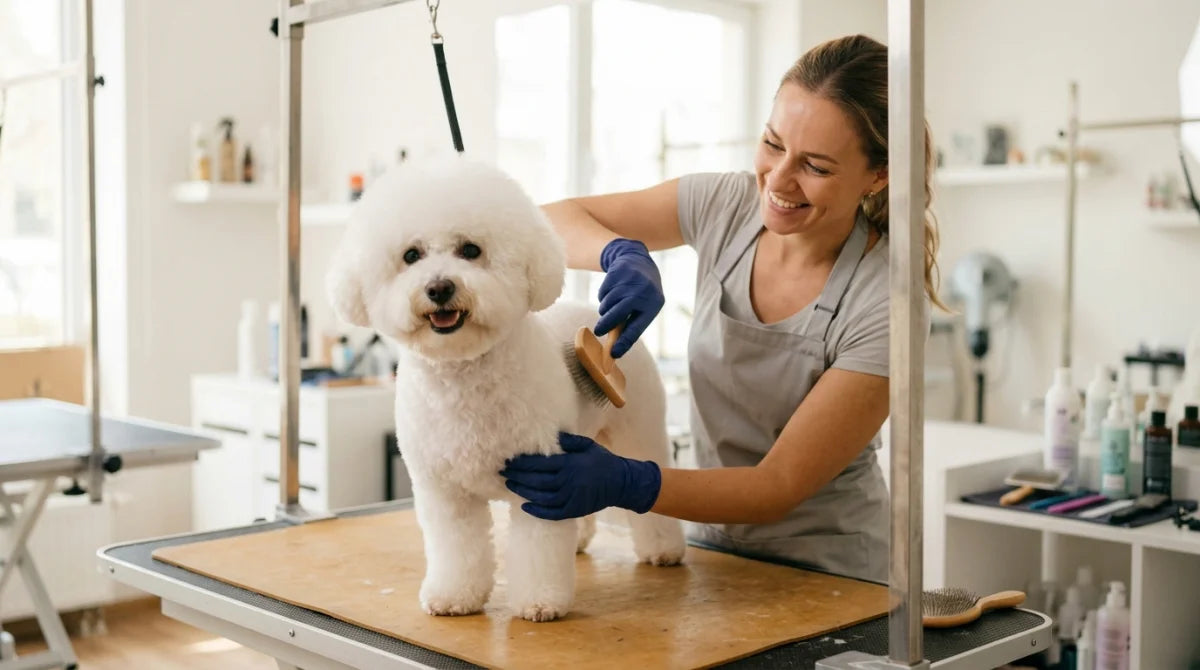
If you've ever Googled "hypoallergenic dogs," you've seen the list. Poodles. Bichon Frises. Maltese. Havanese. The same 10-15 breeds, described as "hypoallergenic" or "non-shedding," presented as a magic solution for people with allergies who want a dog.
Here's the problem: there is no such thing as a hypoallergenic dog.
Not one. Not ever. The American Kennel Club says so. The American College of Allergy, Asthma, and Immunology says so. Every allergist who's ever been asked says so. And yet, the myth persists — because it's a really convenient story that a lot of people want to believe.
Let's talk about what's actually going on.
What You're Actually Allergic To
Most people assume dog allergies are caused by fur. They're not. The primary culprit is a protein called Can f 1, which is produced in dog saliva, urine, and skin cells (dander). When a dog licks itself, sheds skin, or — let's be honest — drools on your couch, that protein goes everywhere.
Here's the key: every dog produces Can f 1. Every breed, every mix, every size. A "non-shedding" Poodle produces the same allergenic protein as a heavily-shedding German Shepherd. The protein is made in the dog's body, not in its coat.
A 2011 study published in the American Journal of Rhinology & Allergy measured Can f 1 levels in homes with "hypoallergenic" breeds versus non-hypoallergenic breeds. The result? No significant difference. Homes with Poodles and Labradoodles had the same allergen levels as homes with Labs and Golden Retrievers.
A follow-up study in the Journal of Allergy and Clinical Immunology found the same thing: breed designation as "hypoallergenic" did not predict lower allergen levels in the home.
⚠️ The science is clear: No peer-reviewed study has ever demonstrated that any dog breed is truly hypoallergenic. The term is a marketing label, not a medical one.
So Why Do Some Breeds Seem Better?
This is where it gets nuanced. While no breed is hypoallergenic, some breeds do cause fewer reactions in some people. The reasons are real — they're just not what most people think.
1. Less Shedding = Less Airborne Dander
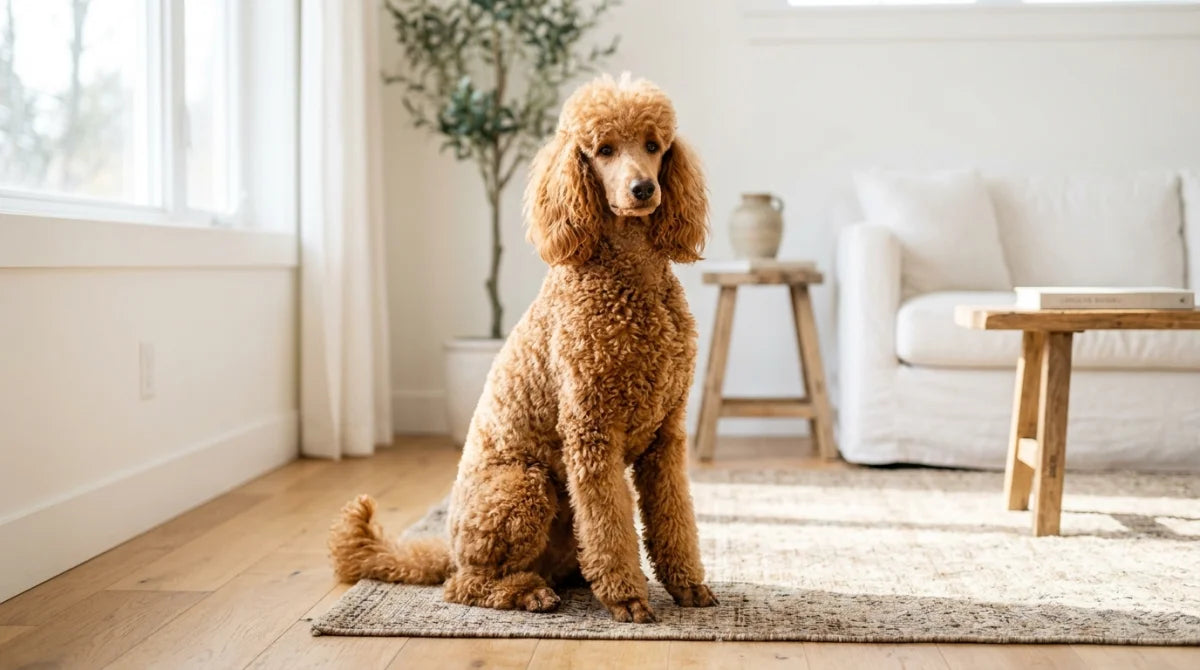
Dogs that shed less release fewer dander-coated hairs into the air. The allergen is still there — it's just less likely to become airborne and enter your respiratory system. This is why many allergy sufferers report better experiences with breeds like Poodles, Bichons, and Schnauzers.
But "less airborne" isn't the same as "none." If you pet a Poodle and touch your face, you're getting the same allergen exposure as petting any other dog.
2. Individual Dog Variation
This is the part nobody talks about. Can f 1 production varies enormously between individual dogs, even within the same breed. One study found that allergen production varied by as much as 100x between individual dogs of the same breed.
That means one specific Labrador Retriever might produce less allergen than one specific Poodle. Breed is a poor predictor — the individual dog matters much more.
3. Size Matters
Smaller dogs = less skin surface area = less total dander production. A 7-pound Yorkshire Terrier simply produces less dander than a 70-pound Golden Retriever, regardless of coat type. This is probably why many small breeds end up on "hypoallergenic" lists — it's partly a size effect, not purely a coat effect.
4. Grooming Frequency
Breeds that require frequent grooming (Poodles, Bichons, Shih Tzus) get bathed and brushed more often, which physically removes dander before it accumulates. The breed isn't producing less allergen — the owner is removing it more often.
The "Lower Allergen" Breeds (Honestly Ranked)
Since we can't call them hypoallergenic, let's call them what they are: breeds that tend to cause fewer reactions in many (not all) allergy sufferers, primarily because of lower shedding and smaller size. No guarantees.
Lower-Allergen Breeds — Tier List
Tier 1 — Best Track Record
Poodle (all sizes) · Bichon Frise · Maltese · Portuguese Water Dog · Schnauzer (all sizes)
Tier 2 — Generally Good
Havanese · Shih Tzu · Yorkshire Terrier · Coton de Tulear · Chinese Crested · Irish Water Spaniel
Tier 3 — Mixed Results
Soft Coated Wheaten Terrier · Lagotto Romagnolo · Bedlington Terrier · Kerry Blue Terrier · American Hairless Terrier
The Doodle Question
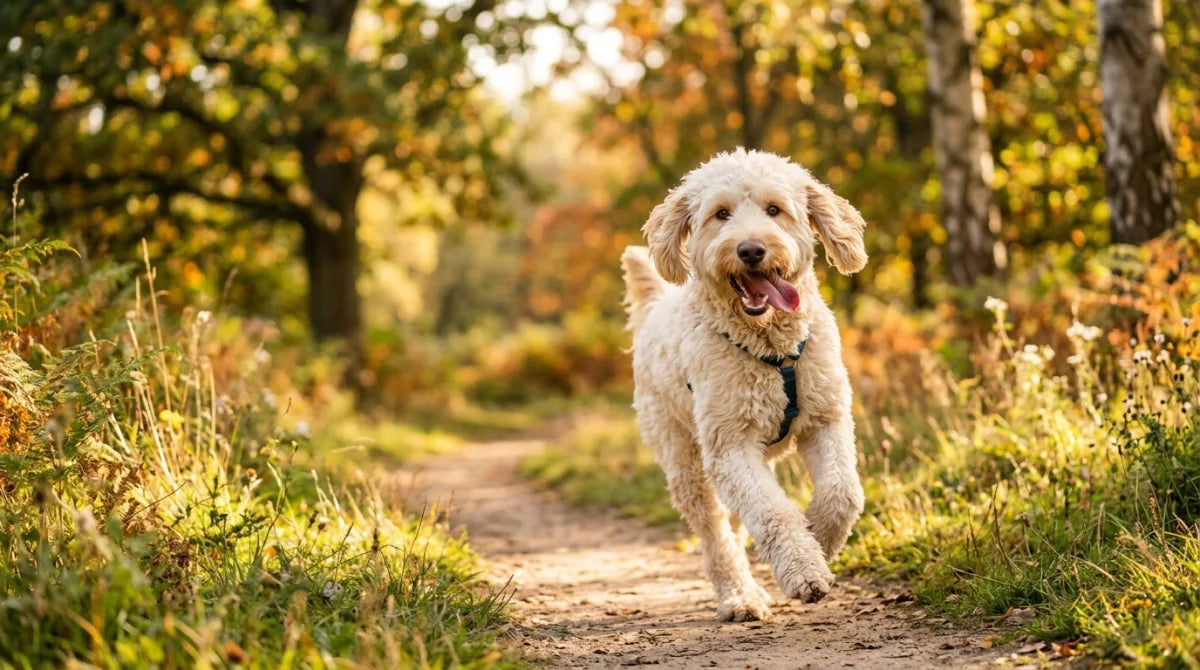
We have to address this because it's the elephant in the room. Goldendoodles, Labradoodles, Bernedoodles, and every other Poodle cross are marketed heavily as "hypoallergenic." Breeders charge premium prices — often $3,000-$5,000 — partly on this claim.
The reality: Doodles are a genetic coin flip. A first-generation Goldendoodle (Golden Retriever × Poodle) can inherit the Poodle's low-shedding coat, the Golden's heavy-shedding coat, or anything in between. There's no way to guarantee which coat type a puppy will develop. Many doodle owners with allergies discover this the hard way around 6-8 months when the adult coat comes in.
Multi-generation doodles (F1B, F2, etc.) bred back to Poodles tend to have more consistent low-shedding coats, but they're still not hypoallergenic — they're just more likely to shed less. The allergen protein is still there.
If you have allergies and want a predictable coat, a purebred Poodle is a more reliable choice than any doodle. It's not what the doodle marketing wants you to hear, but it's what the genetics say.
What Actually Works for Dog-Loving Allergy Sufferers
If you have allergies and want a dog, here's what the evidence supports:
- Spend time with the individual dog first. Not the breed — the specific dog you're considering. Allergen production varies between individuals. Borrow the dog for a weekend before committing.
- Choose lower-shedding breeds from the tier list above. Not because they're hypoallergenic, but because less shedding = less airborne dander.
- Consider size. A smaller dog produces less total allergen. A Miniature Poodle is better for allergies than a Standard, all else being equal.
- Groom frequently. Bathing your dog weekly reduces dander by up to 84%. Professional grooming every 4-6 weeks helps enormously.
- Use HEPA filters. A good HEPA air purifier in main living areas removes airborne dander particles. This makes a bigger difference than breed choice for many people.
- Create dog-free zones. Keep the bedroom off-limits. This gives your respiratory system 8 hours of recovery every night.
- Wash your hands after petting. Contact transfer is a major allergen pathway. Simple hand-washing cuts exposure significantly.
- Talk to your allergist. Allergy immunotherapy (shots or drops) can build tolerance over time. Many dog-allergic people live happily with dogs after treatment.
The Bottom Line
There are no hypoallergenic dogs. There are dogs that shed less, dogs that are smaller, and dogs whose grooming routines happen to remove more dander. There are also individual dogs — within every breed — that naturally produce less allergen than their breed-mates.
The path to dog ownership with allergies isn't finding a magic breed. It's finding the right individual dog, maintaining a rigorous grooming schedule, investing in air filtration, and — if needed — working with an allergist.
It's more work than "just get a Poodle." But it's honest. And it actually works.