 Wender Pets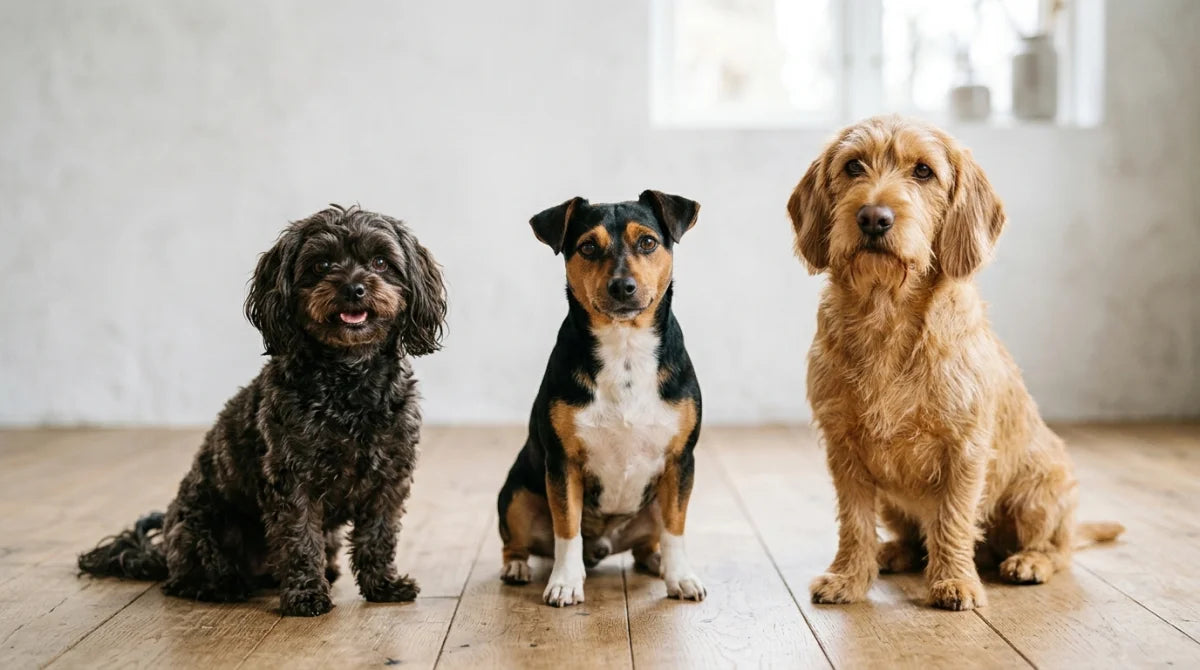
On January 1, 2026, the American Kennel Club officially recognized three new breeds, bringing its total to 203. That might sound like a footnote in the dog world — another number on a list — but each of these breeds carries a story worth knowing.
One was created because an entire nation only had giant working dogs and needed something small enough to love in a Leningrad apartment. One was an overlooked American farm dog that spent decades in the shadow of its taller sibling. And one was literally bred so ordinary people — not just aristocrats on horseback — could hunt with hounds.
These aren't vanity registrations. These are dogs that earned their place.
The Class of 2026
1. Russian Tsvetnaya Bolonka — The Cold War Lapdog
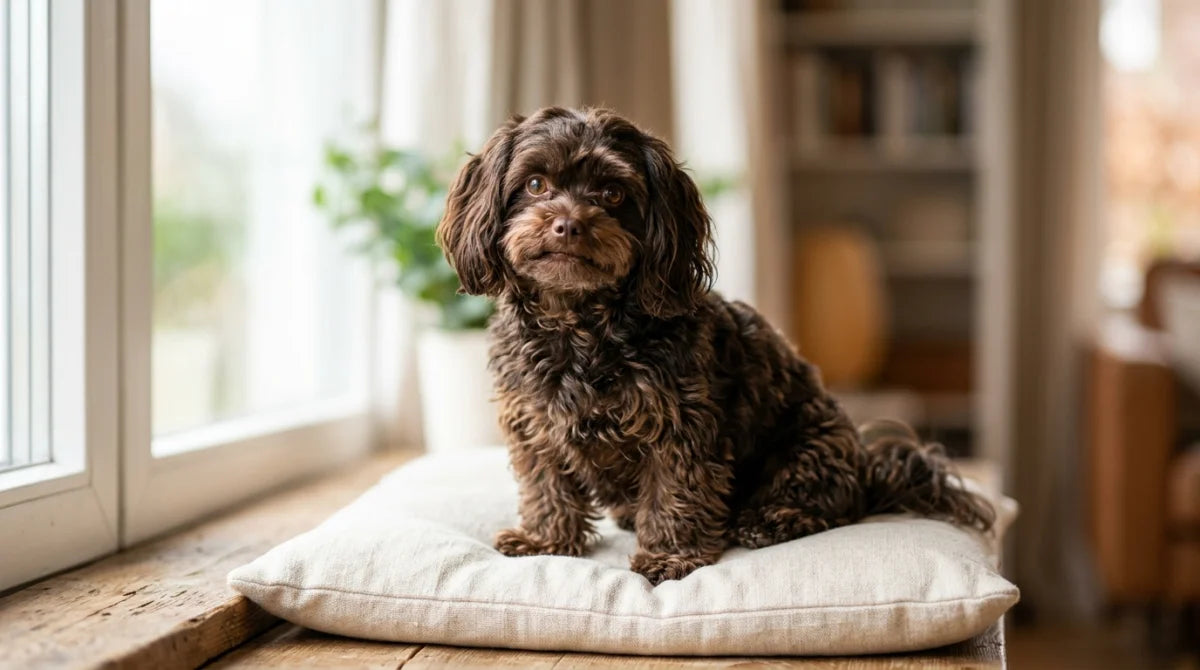
Say it with me: Ts-VET-na-ya Bo-LON-ka. It means "Russian Colored Lapdog," and yes, that's exactly what it is — a small, wavy-coated companion bred specifically because Russia didn't have one.
Here's the thing most people don't realize about Russian dog history: for centuries, the country produced almost exclusively large working breeds. Samoyeds hauled sleds. Borzois hunted wolves. Black Russian Terriers performed military work. The only small Russian dog was the Russian Toy — and it was bred exclusively for aristocrats.
After World War II, breeders in Leningrad (now St. Petersburg) decided to fix that. They wanted a small companion dog — curly or wavy coat, 7 to 9 pounds, happy to curl up in a Soviet apartment. The problem? They had almost nothing small to work with.
In 1951, they paired "Trifon," a white dog from Hungary, with "Zhuzhu," a coffee-colored dog purchased from a touring circus. That first litter of two black-and-brown puppies launched a new breed. Over the next decade, crosses with Maltese, Bolognese, and Shih Tzus refined the breed into what we see today: a member of the Bichon family with an easy-going temperament and a coat that comes in every color except solid white.
What's It Like to Live With One?
Sweet, alert, intelligent — and never aggressive. The Bolonka was designed for apartment living in one of the most space-constrained cities in Europe, and it shows. These dogs are genuinely content in small spaces, don't need marathon exercise sessions, and bond deeply with their people.
If you've met a Havanese or a Coton de Tulear, you're in the right neighborhood. The Bolonka shares that "Velcro companion" energy — follow you everywhere, curl up on your lap, look heartbroken when you leave for work. Hypoallergenic-ish coat with minimal shedding. Lifespan of 12-15 years.
The catch: They can develop separation anxiety if left alone for long stretches. And that gorgeous wavy coat isn't maintenance-free — regular brushing and professional grooming every 6-8 weeks keeps it from matting. They're also rare enough in the U.S. that finding a reputable breeder takes patience. Expect waitlists.
Good fit for: Apartment dwellers, seniors, work-from-home types, families wanting a low-shedding companion. Not ideal for people gone 10+ hours a day.
2. Teddy Roosevelt Terrier — America's Forgotten Farm Dog
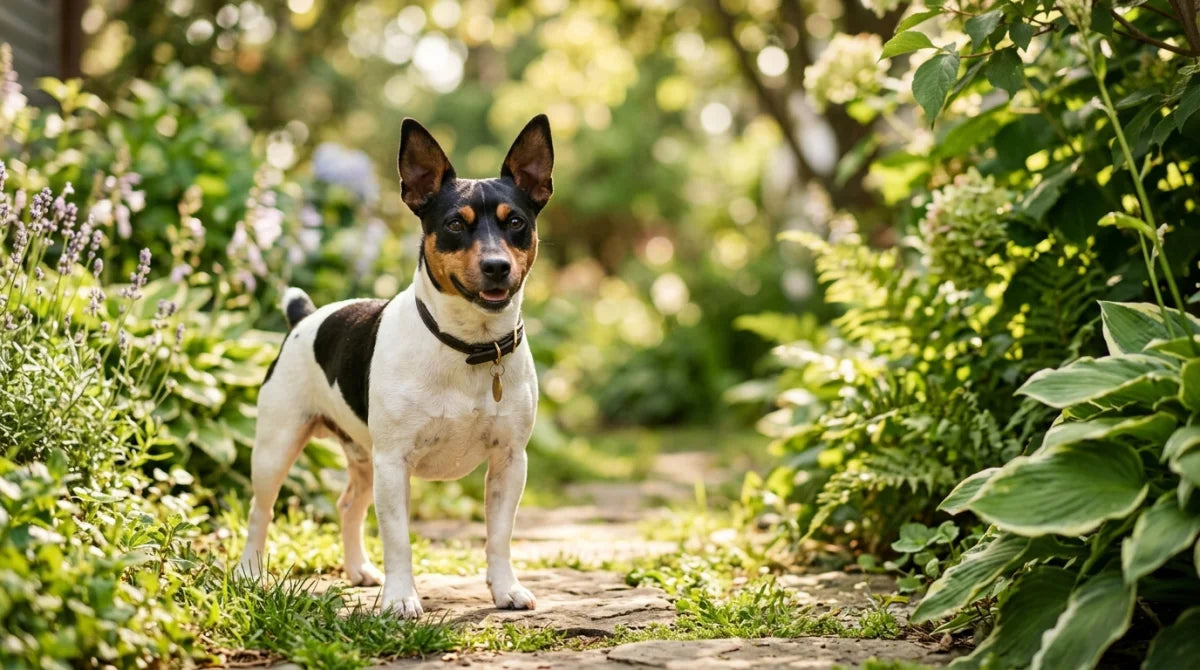
If you've heard of the Rat Terrier, you've almost heard of this dog. The Teddy Roosevelt Terrier is essentially the shorter-legged, more compact version that spent decades lumped in with its taller sibling before getting its own recognition.
These dogs were bred on American farms in the early 1900s — not by fancy kennel clubs, but by regular people who needed a small dog that could kill rats, alert on strangers, and be a decent family companion while doing it. Early immigrants crossed terriers, hounds, and small hunting dogs to create an all-purpose farm package: tough, smart, compact, and relentlessly useful.
The "Teddy Roosevelt" name isn't just marketing — it's a nod to the president who was known to keep these types of ratting terriers. Whether Roosevelt himself had this exact breed type is debated, but the spirit is right: an American dog for American farms, bred for function over flash.
What's It Like to Live With One?
Here's where the Teddy surprises people. Most terriers are known for nonstop intensity — barking, digging, picking fights with dogs four times their size. The Teddy Roosevelt Terrier has real terrier instincts (that prey drive is no joke), but it wraps them in a more balanced, people-focused package.
They're lively and affectionate with their families, often becoming a devoted one-person dog. They've got strong protective instincts and well-developed pack awareness, which means they generally get along with other dogs and cats they're raised with. Think of them as the terrier for people who love terrier energy but want the volume turned down one notch.
Compared to the Jack Russell Terrier — which operates at a permanent 11 — the Teddy is more like a 7 or 8. Still busy, still alert, still capable of emptying a barn of rodents, but also capable of relaxing on the couch after a good walk.
The catch: That prey drive is real. Squirrels, rabbits, the neighbor's cat — a Teddy in an unfenced yard with small wildlife is a chase waiting to happen. They can also be skeptical of strangers, which makes early socialization important. And at 8-25 pounds, they're small enough to underestimate — owners sometimes skip the training a bigger dog would get, which leads to small-dog behavior problems.
Good fit for: Active singles or couples, homes with yards, families with older kids, anyone who wants terrier smarts without terrier chaos. Not ideal for homes with pet hamsters or guinea pigs.
3. Basset Fauve de Bretagne — The People's Hound
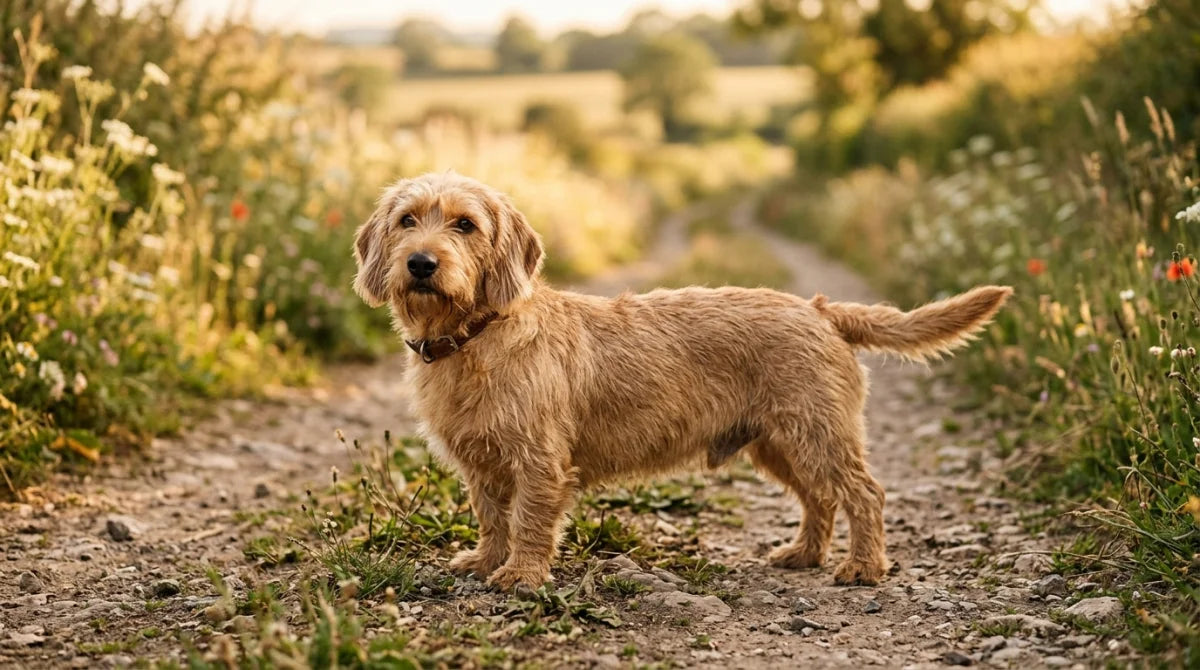
The name is a mouthful — Bah-SAY FOHV duh Bruh-TAHN-yuh — but the story behind it is one of the most democratic origin tales in the dog world.
Before the French Revolution, hunting with hounds was a privilege reserved for the aristocracy. After 1789, when those rights opened up to everyone, regular French citizens wanted in — but they had a practical problem. The existing hound breeds were tall, fast, and designed to be followed on horseback. Peasants didn't have horses.
So they bred shorter-legged hounds — bassets, from the French word "bas" meaning "low" — that could be followed on foot. The Basset Fauve de Bretagne emerged from the Brittany region of France, a compact, wiry-coated scenthound tough enough to track rabbit, hare, fox, and even wild boar through dense undergrowth.
If you already know the Basset Hound, picture a lighter, leggier, more athletic cousin. Where the Basset Hound is famously droopy and deliberate, the Fauve is scrappy, energetic, and built to actually move. At 12.5-15.5 inches and 23-40 pounds, they're compact without the extreme proportions that cause back problems in some basset breeds.
What's It Like to Live With One?
Sweet, friendly, and a little bit stubborn in the way only a scenthound can be. Fauves are genuinely sociable dogs — great with kids, good with other pets (they were bred to hunt in packs, so cooperation is in their DNA), and outgoing with strangers.
The hound nose is their defining feature. Like Beagles and Petit Basset Griffon Vendéens, a Fauve on a scent trail is a Fauve that cannot hear you. Recall training is important, but you should go in knowing that their nose will sometimes override their ears. Leashed walks and a well-fenced yard are non-negotiable.
That harsh, wiry coat is one of their practical advantages — it's weather-resistant, low-maintenance, and only needs a weekly comb-through plus hand-stripping twice a year. No fancy salon visits. Colors range from light fawn to golden wheaten to a gorgeous red brick. Every single one looks like a scruffy, sun-warmed field dog, and it's extremely charming.
The catch: The nose. Always the nose. They'll follow a scent to the neighbor's yard, across the street, and into the next zip code if given the chance. They can be vocal — hounds gonna hound — though they're not typically nuisance barkers. They also need real exercise: two brisk walks daily minimum, plus yard time to sniff around. A bored Fauve is a destructive Fauve.
Good fit for: Active families, homes with yards, people who enjoy hiking or outdoor activities, multi-dog households. Not ideal for apartments or off-leash-only lifestyles.
How Do They Compare?
These three breeds couldn't be more different — which is exactly what makes this class interesting. Here's the side-by-side:
| Bolonka | Teddy Roosevelt | Basset Fauve | |
|---|---|---|---|
| Group | Toy | Terrier | Hound |
| Weight | 4.5–11 lbs | 8–25 lbs | 23–40 lbs |
| Energy | Low-Moderate | Moderate-High | Moderate-High |
| Shedding | Low | Moderate | Low-Moderate |
| Apartment? | Excellent | Possible | Not ideal |
| Kids? | Yes (gentle) | Yes (older kids) | Yes (great) |
| Grooming | High | Low | Low |
| Origin | Russia 🇷🇺 | USA 🇺🇸 | France 🇫🇷 |
What AKC Recognition Actually Means
Let's clear up a common misconception: AKC recognition doesn't mean these breeds are "new." All three have been around for decades — the Basset Fauve de Bretagne has ancestors from the 1500s. Recognition means the AKC has verified that the breed has a sufficient population, an established breed standard, and enough active breeding clubs to maintain its integrity.
For owners, recognition means these breeds can now compete in AKC-sanctioned events like conformation shows, agility trials, and obedience competitions. For the breeds themselves, it means more visibility, more responsible breeding oversight, and — hopefully — fewer ending up in shelters because people didn't understand what they were getting.
The current AKC total stands at 203 recognized breeds. In 2025, the Danish-Swedish Farmdog earned its spot. Each year, the club reviews additional breeds working through the Foundation Stock Service pipeline toward full recognition.
Which One Is Right for You?
If you're intrigued by any of these breeds, here's the quick decision framework:
- Choose the Bolonka if: You want a low-shedding companion for apartment or small-space living, you work from home or have flexible hours, and you're drawn to the Bichon/Havanese vibe but want something less common.
- Choose the Teddy if: You want a small-but-sturdy dog with real working instincts, you have a yard, and you appreciate the Rat Terrier personality but prefer a more compact package.
- Choose the Fauve if: You're an active household looking for a sociable, scruffy hound that's lighter and more athletic than the classic Basset Hound, and you have a fenced yard and patience for scenthound stubbornness.
The best part about this year's class? There's genuinely something for everyone. A toy for the apartment dweller. A terrier for the farm-at-heart. A hound for the outdoor enthusiast. Three countries, three purposes, three very good dogs.
Want to learn more about these breeds?
Explore their breed pages for detailed personality profiles, care guides, and product recommendations: