 Wender Pets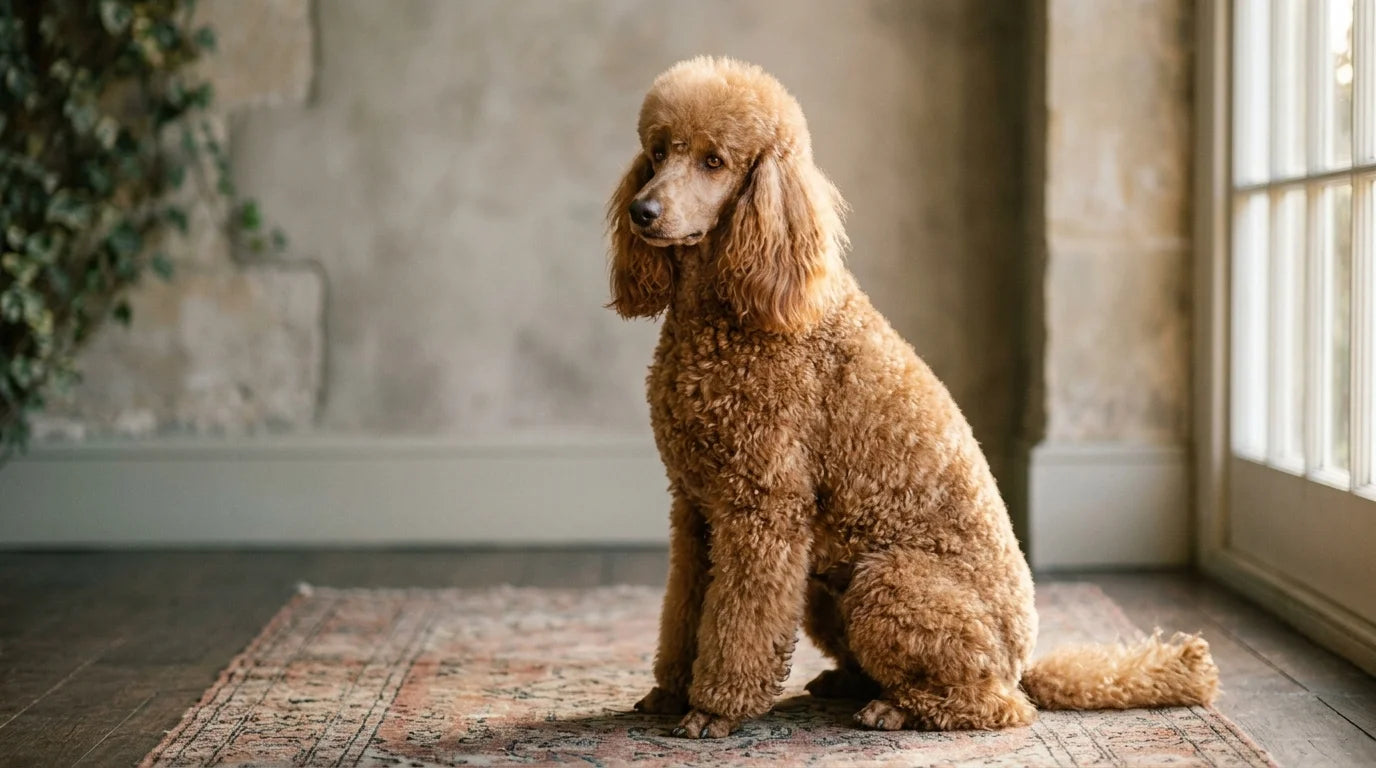
There is a particular kind of breed that does not just stay popular. It stays respectable. The Poodle is the cleanest example we have. She has been in the AKC top ten for as long as most living Americans have been paying attention. She has been in the top five almost without interruption for decades. She is the breed your aunt's friend the dog show judge actually recommends, the one veterinarians quietly admit is the smartest dog in the room, the one that wins Westminster more often than is reasonable.
And in March 2026, the AKC released its 2025 rankings, and the Poodle was not in the top five.
She slid to number six. The breed that pushed her out is the Dachshund — a wiener dog. Read that sentence again, because the contrast is the whole story.
The Numbers, Just for Orientation
Here is the 2025 AKC top ten as released in March 2026:
AKC Most Popular Breeds — 2025
The Poodle has not collapsed. She is sixth, not sixteenth. But the symbolism of dropping out of the top five for the first time in over two decades, and being replaced by a 20-pound badger hunter built like a footstool, is doing a lot of work. Something has shifted in what Americans want, and the Poodle is the breed that absorbs the shift cleanly.
Three Sizes, Three Centuries, One Reputation
Before we get to why she fell, it is worth remembering what makes the Poodle so durable in the first place.
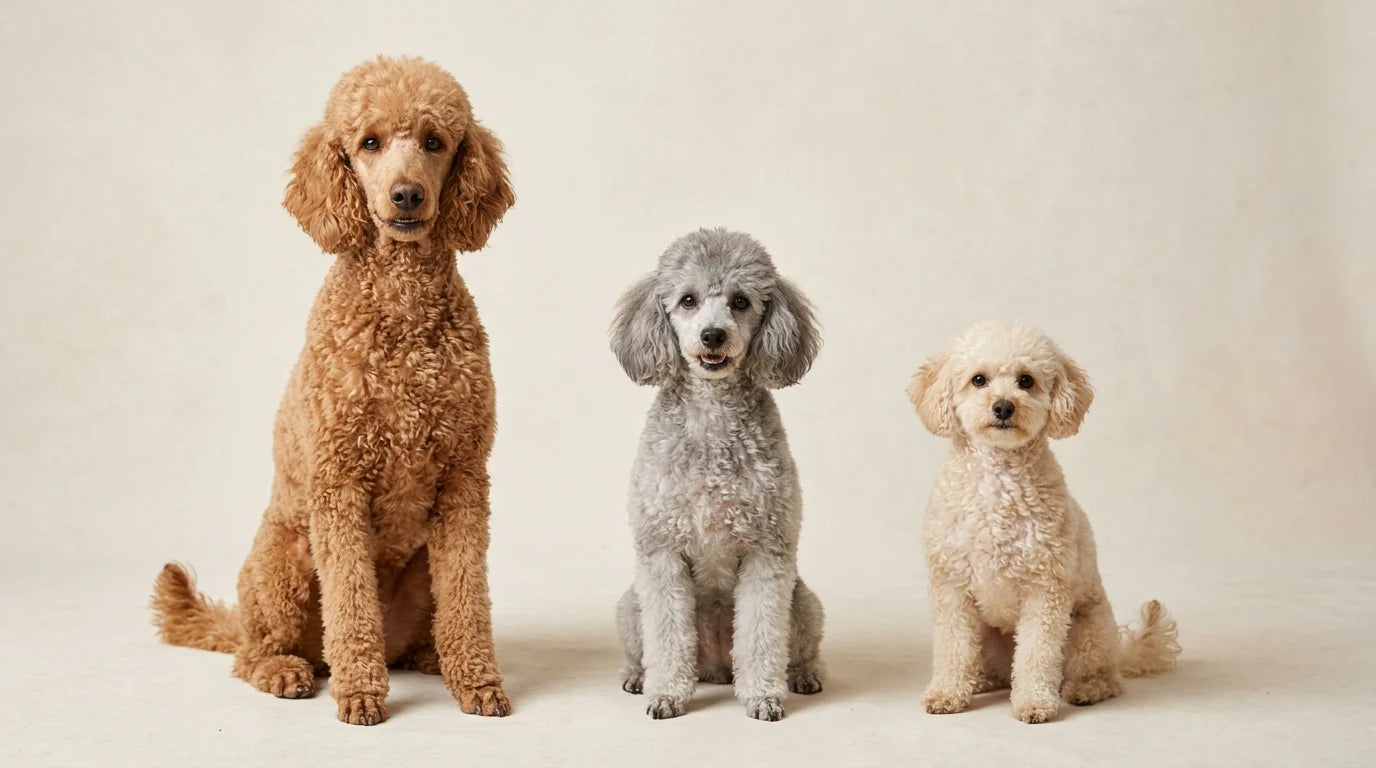
She comes in three sizes, all the same breed: Standard (over 15 inches at the shoulder, often 50 to 70 pounds), Miniature (10 to 15 inches, around 12 to 18 pounds), and Toy (under 10 inches, often under 7 pounds). She has the kind of intelligence that consistently puts her in the top three smartest breeds in every working ranking dog people take seriously. She does not shed in the way most breeds shed, which makes her a serious option for households that previously could not own a dog at all. She is athletic, water-loving, originally bred to retrieve waterfowl in cold lakes, and capable of competition at the highest level in obedience, agility, and dock diving.
She is, on paper, the most over-engineered companion dog Western breeding has produced. So why is the country drifting away from her now?
Reason One: Americans Want Personality, Not Polish
The breeds that have surged in the last decade are not the elegant, precise, well-mannered ones. They are the ones with characters. The French Bulldog is a 20-pound brachycephalic comedian. The Dachshund is an opinionated badger hunter who thinks she runs the bedroom. The Cane Corso, currently outside the top ten but climbing fast, is a 110-pound bodyguard who thinks she is a lap dog at home.
What these breeds share is not size or temperament. It is character. They are funny. They are stubborn. They are uncompromising. They behave like personalities, not like pets. That is a thing Americans now want from a dog more than they want a dog that does what it is told.
The Poodle, fairly or unfairly, reads as the opposite of that. She is competent. She is cooperative. She is, even at her most playful, polished in a way that does not show up on Instagram quite the same way a meatball-shaped Frenchie does. The breed's biggest cultural reference points are still the show ring and the Westminster ribbon. In a moment that values quirk over pedigree, polish becomes a slight liability.
Reason Two: The Doodle Took Her Job
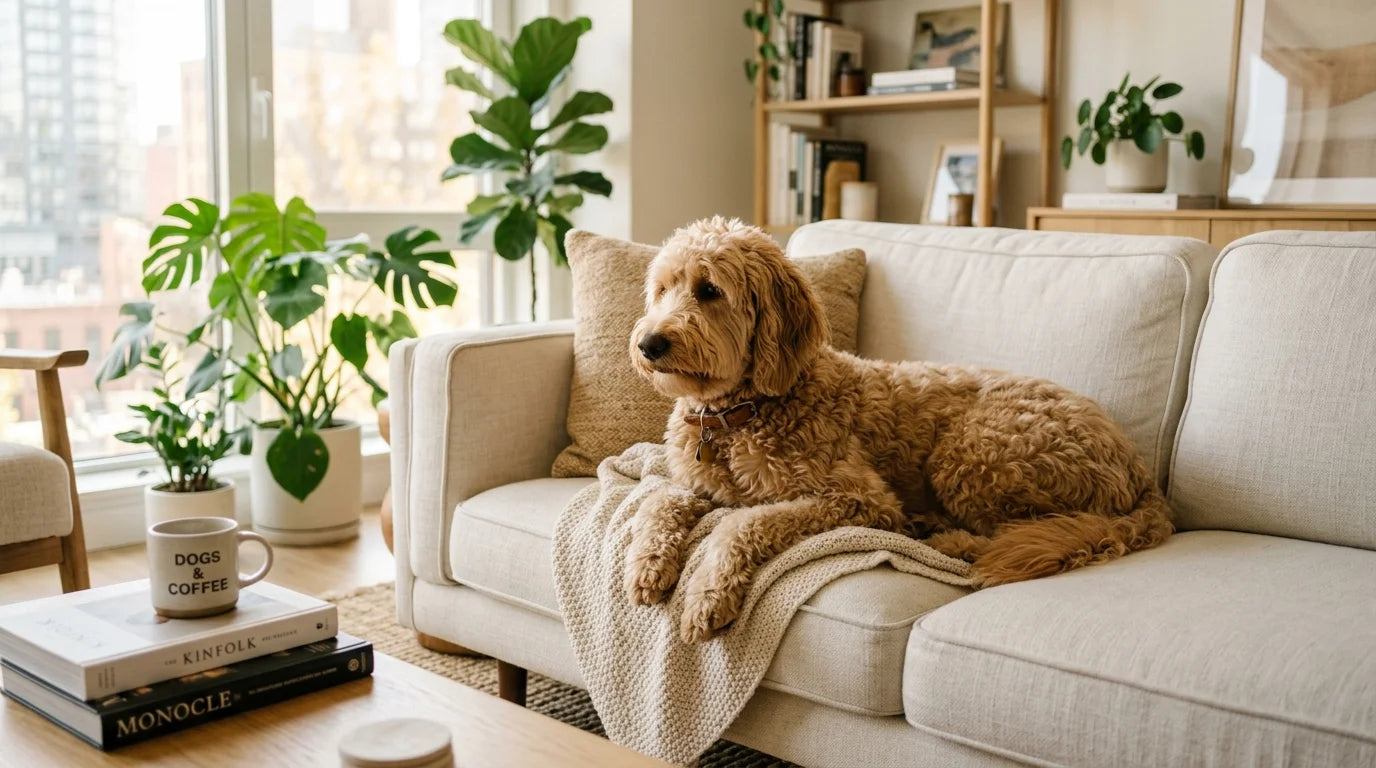
Here is the actual mechanism behind the slide, and almost nobody covering the rankings says it out loud: the Poodle is not losing market share to the Dachshund. She is losing market share to her own children.
The Goldendoodle is now estimated to outsell every individual purebred in the United States in some years. The Labradoodle, the Cockapoo, the Bernedoodle, the Cavapoo, the Sheepadoodle, the Schnoodle, the Aussiedoodle, and roughly a dozen others are now the default first-time-owner suggestions in suburban America. None of them are AKC-recognized breeds, so none of them appear on the rankings, but in actual households they have been absorbing demand that, twenty years ago, would have gone straight to the purebred Poodle.
The reason is simple. The trait people most wanted from a Poodle was the coat: low-shedding, allergy-friendlier, presentable in apartments, kind to fabric. That trait turned out to be portable. Cross a Poodle with a Golden Retriever and you keep most of the coat advantages while picking up a more straightforwardly affectionate temperament that does not feel like you are dating a dog with a doctorate. Cross a Poodle with a Cavalier and you get the snuggly couch dog people actually want.
This is the strange truth about the 2025 numbers. The Poodle has not lost her cultural war. She has won so completely that her DNA is the dominant ingredient in the entire designer-dog economy. The official AKC count just does not see any of that. So on paper, the breed slips. In practice, the breed has effectively pollinated half the country's pet population.
Reason Three: The Grooming Tax Got Real
Honest moment. The Poodle's coat is the reason she is in the conversation at all, and it is the reason she is also expensive to keep.
A Standard Poodle in a tasteful sport clip needs professional grooming roughly every four to six weeks. In most American cities, that runs $90 to $160 a visit. Annualized, that is $900 to $2,000 a year, every year, for the dog's entire life. Add brushing between visits to keep the coat from matting, ear plucking, dental care, and the inevitable specialty shampoos, and the all-in grooming cost on a healthy Standard Poodle reaches $1,500 to $2,500 a year, separate from food, vet care, and insurance.
The Goldendoodle has the same coat issue, of course, with the same costs. The Dachshund has a fraction of the grooming expense across her life. The French Bulldog needs a wipe-down and a face-fold cleaning. For households trying to make a long-term financial decision about a dog, the Poodle is the most expensive of these breeds to maintain visually, and that finally started to register in the buying decisions. Especially among younger owners, who are buying their first dogs in higher-cost-of-living cities and counting that math more carefully than their parents did.
Reason Four: The Aesthetic Reset
There is a smaller cultural piece that should not be skipped. The Poodle's signature look, the continental clip with the sculpted pom-poms, was developed for practical reasons in 17th-century European retrieving (it kept the joints warm in cold water while letting the rest of the dog swim freely). For modern American taste, that look reads as fussy. It signals a particular kind of dog culture that does not match where pet ownership has moved.
Most current Poodle owners use sport clips, teddy clips, lamb clips, or simple maintenance trims that look closer to a doodle than to a Westminster ribbon dog. But the breed's brand association is still tied to the dramatic show clip. People buying their first dog from Instagram inspiration end up looking at Goldendoodles in linen-soft scruff rather than at Poodles in sculptural geometry, even though the underlying dog is half the same animal.
What This Says About Where American Dog Taste Is Heading
Step back from the Poodle and look at the whole rankings shift over the last decade. The pattern is clear and worth saying out loud:
- Working dogs that wanted jobs are sliding. The German Shepherd is still top five, but the Bulldog has slid out of the top ten the way the Poodle just slid out of the top five. Working drive looks exhausting in a 750-square-foot apartment.
- Companion breeds with personality are surging. The Frenchie, the Dachshund, and the climbing Cane Corso all share a quality that is hard to formalize: they feel like roommates with opinions, not like employees with assignments.
- Designer hybrids have eaten the practical-companion market. The doodles, cockapoos, and pomskies are now where most "I want a friendly low-shed family dog" demand actually lands, and none of them count in the AKC numbers.
- Status has shifted from breed to story. A decade ago a well-bred Standard Poodle from a champion line carried social weight. Now the dog with a story (rescue, mix, weird shape, weird name) carries it. That is a generational shift, and it correlates with the demographic that is buying first dogs right now.
The Poodle, more than almost any other breed, is the dog that loses status when status gets redefined this way. She did not get worse. The terms of the contest changed under her feet.
Should You Still Get a Poodle?
Yes, possibly the most loudly yes of any breed in the top ten. The Poodle's actual qualities have not moved. If your priorities are intelligence, athleticism, low shed, three size options, and a dog that will out-train almost any other breed in the country, you are looking at one of the best companion dogs ever produced. She is healthy on average for a purebred, lives 12 to 15 years (longer for Miniatures and Toys), and is genuinely versatile in households from active outdoorsy to quiet senior to apartment-dwelling.
Yes if: You want a smart, athletic, low-shed companion. You will keep up with grooming honestly. You enjoy training and want a dog that engages back. You appreciate quiet, refined energy more than slapstick. You like the idea of a dog who notices things.
Think twice if: You hoped a low-shed dog meant a low-effort dog. You want a couch potato who does not need much engagement (Poodles get destructive when bored). You are not ready to either learn home grooming or commit to professional grooming for the dog's life. You want a breed that markets itself on Instagram without your help.
The Bottom Line
The Poodle dropping out of the top five does not mean she has stopped being a great dog. It means American dog culture has shifted in a direction that values different things than it did when she was sitting comfortably in the top three. We want quirky over polished, hybrid over purebred, character over compliance, and we want the financial math of the breed to work out in apartment-living, dual-income, urban realities.
In that frame, the Poodle is a slightly inconvenient fit. She is more dog than the moment is asking for. Which, honestly, is also the case for her, if you are the right owner. The breed is, for the right home, undervalued right now in a way she has not been in a long time. The market is distracted. The doodles are running with her DNA and her brand recognition. The fashionable picks are louder, smaller, or stranger.
If you have ever wanted a Standard, Miniature, or Toy Poodle, this is a strange and quietly good moment to get one. The Westminster crowd will still know what you have. The neighbor who just got a Goldendoodle will think you are showing off. And your dog, in the meantime, will be exactly the dog she always was: smart, dignified, and faintly amused at the whole conversation.