 Wender Pets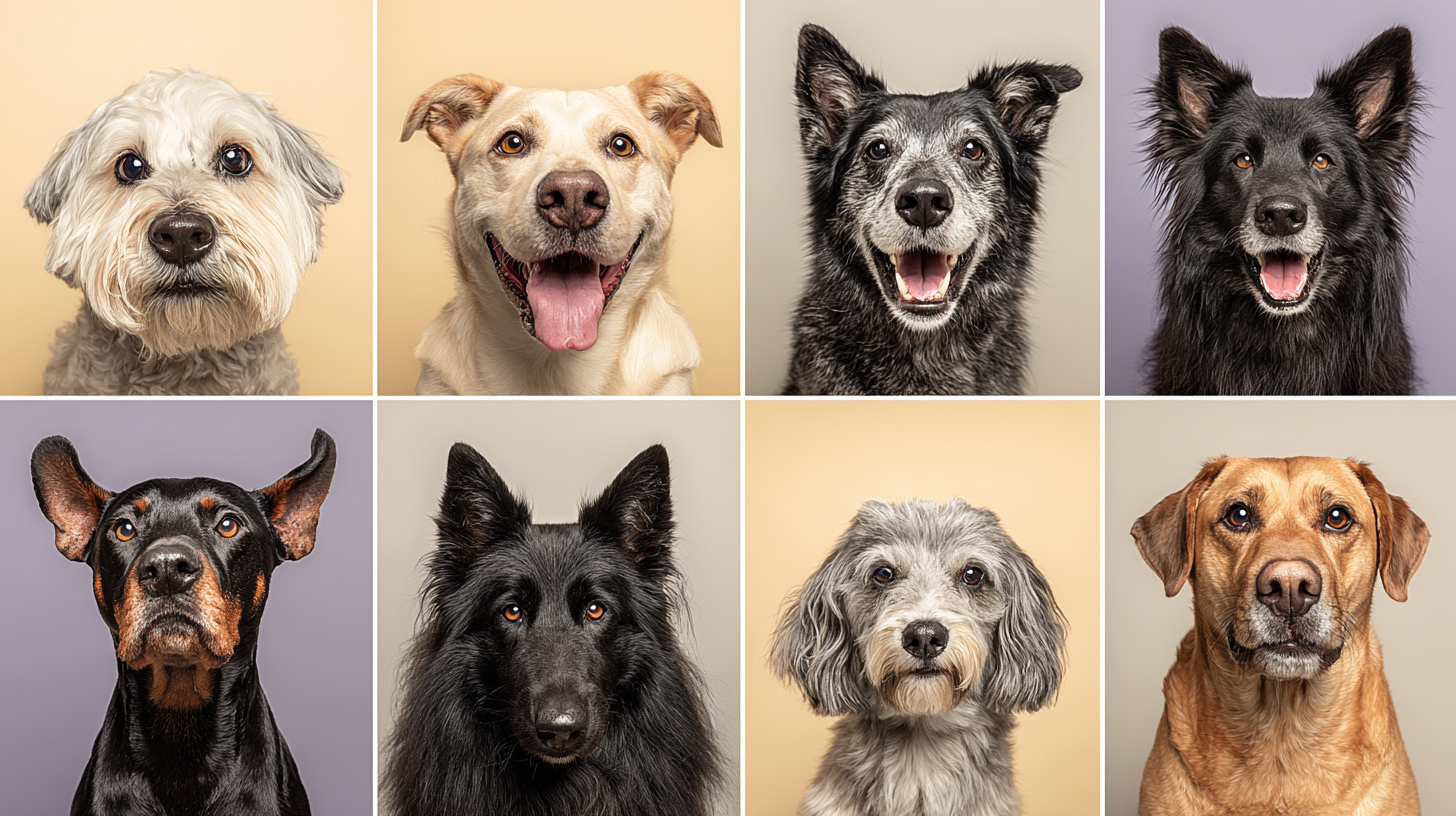
The Great Personality Puzzle
Your Golden Retriever brings you a sock every single time you come home. Your Border Collie has organized your shoes by size. Your Basset Hound has never met a nap he didn't love.
None of this is coincidence.
For thousands of years, humans have been selectively breeding dogs for specific jobs — and those jobs shaped everything about how they think, feel, and see the world. Your dog's "quirks" aren't quirks at all. They're features, not bugs. Genetic software running exactly as designed.
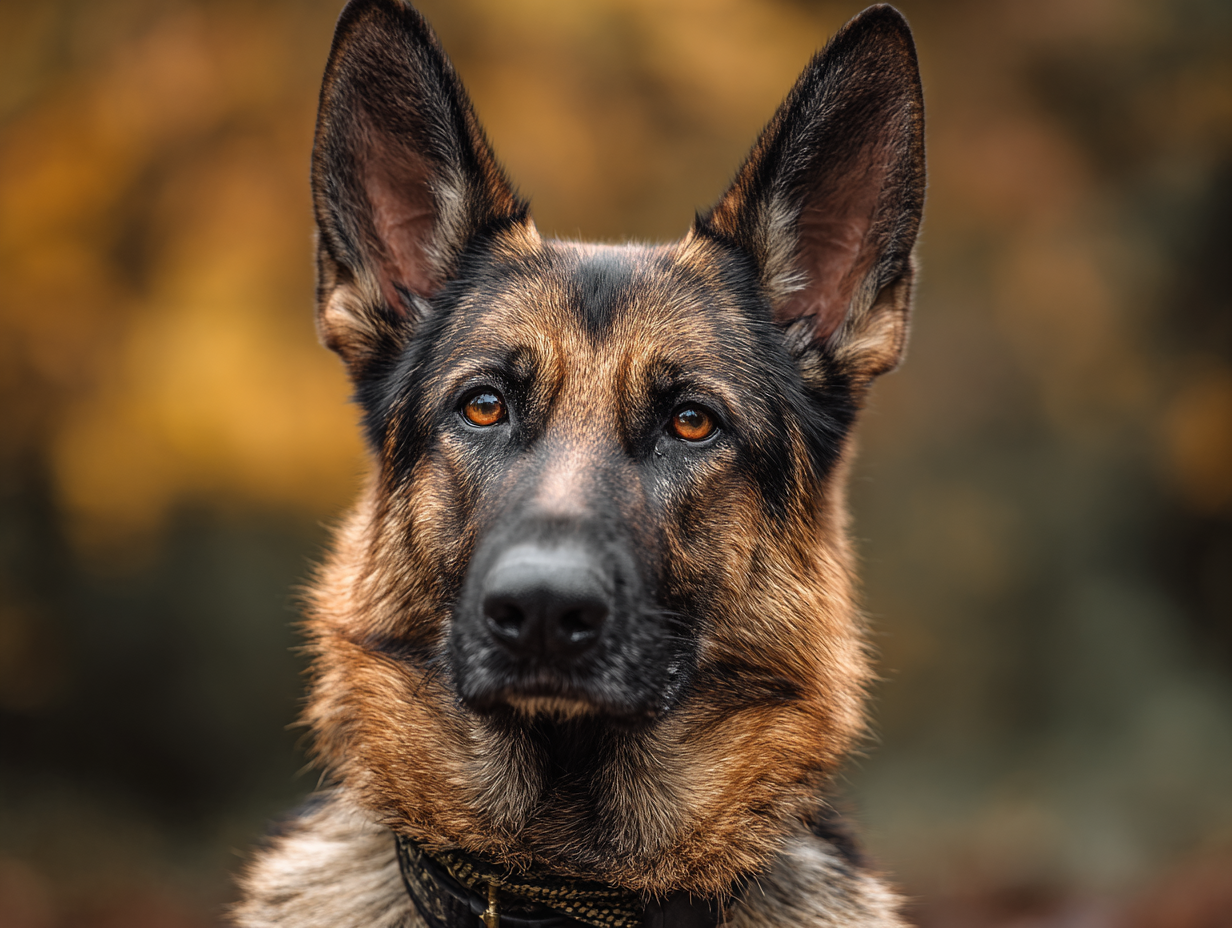
The German Shepherd who follows you from room to room isn't clingy — she's doing perimeter checks. The Jack Russell Terrier who destroys your garden isn't destructive — he's hunting. The Great Pyrenees who barks at 2 AM isn't obnoxious — he's on night watch.
Understanding breed personality isn't about putting your dog in a box. It's about reading the manual that came with your best friend.
The Working Dogs: "Give Me a Job or I'll Make One"
The Herders: Professional Micro-Managers
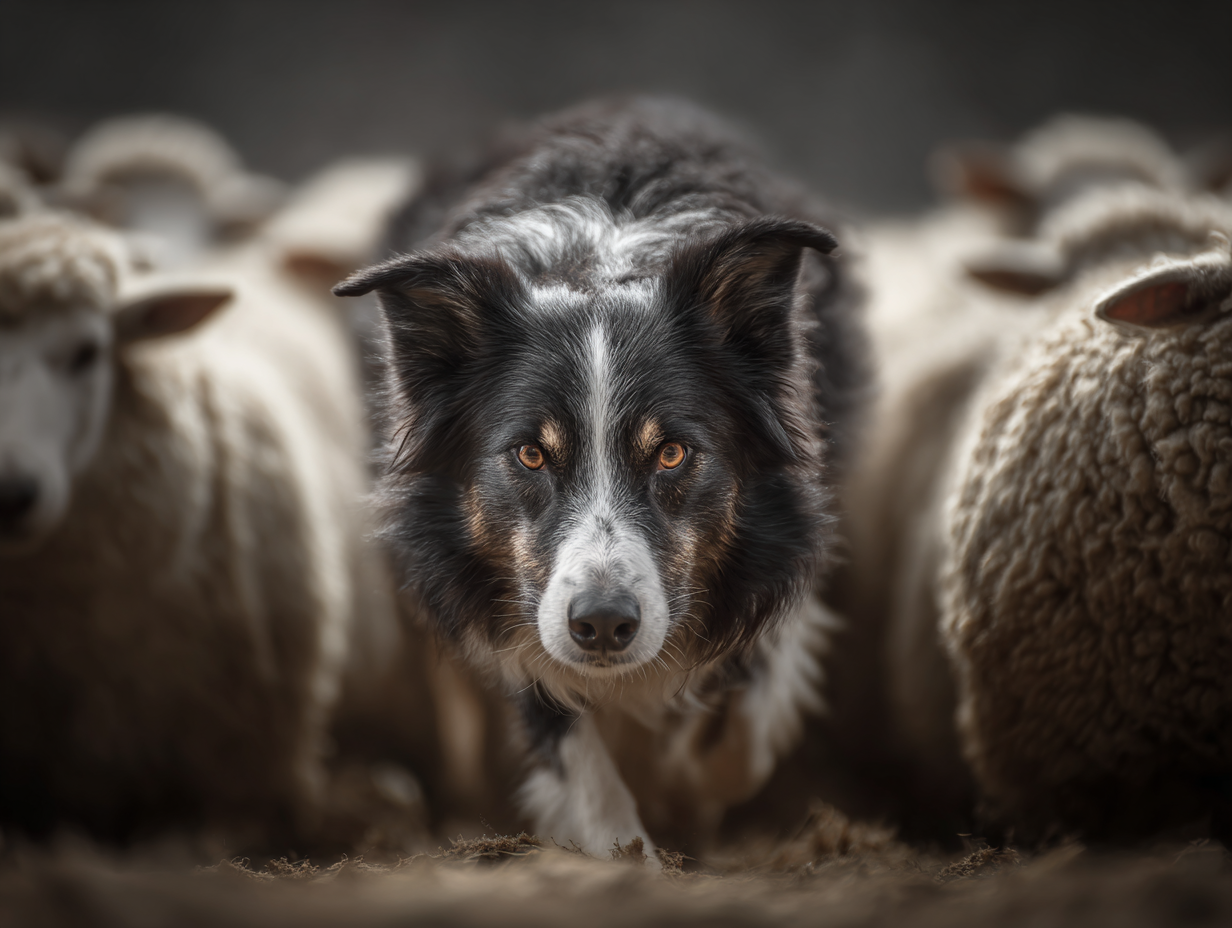
The Personality: These dogs were bred to manage chaos — specifically, moving large groups of livestock exactly where they need to go. They're natural project managers with fur, hardwired to notice when things are "out of place" and fix them.
How It Shows Up:
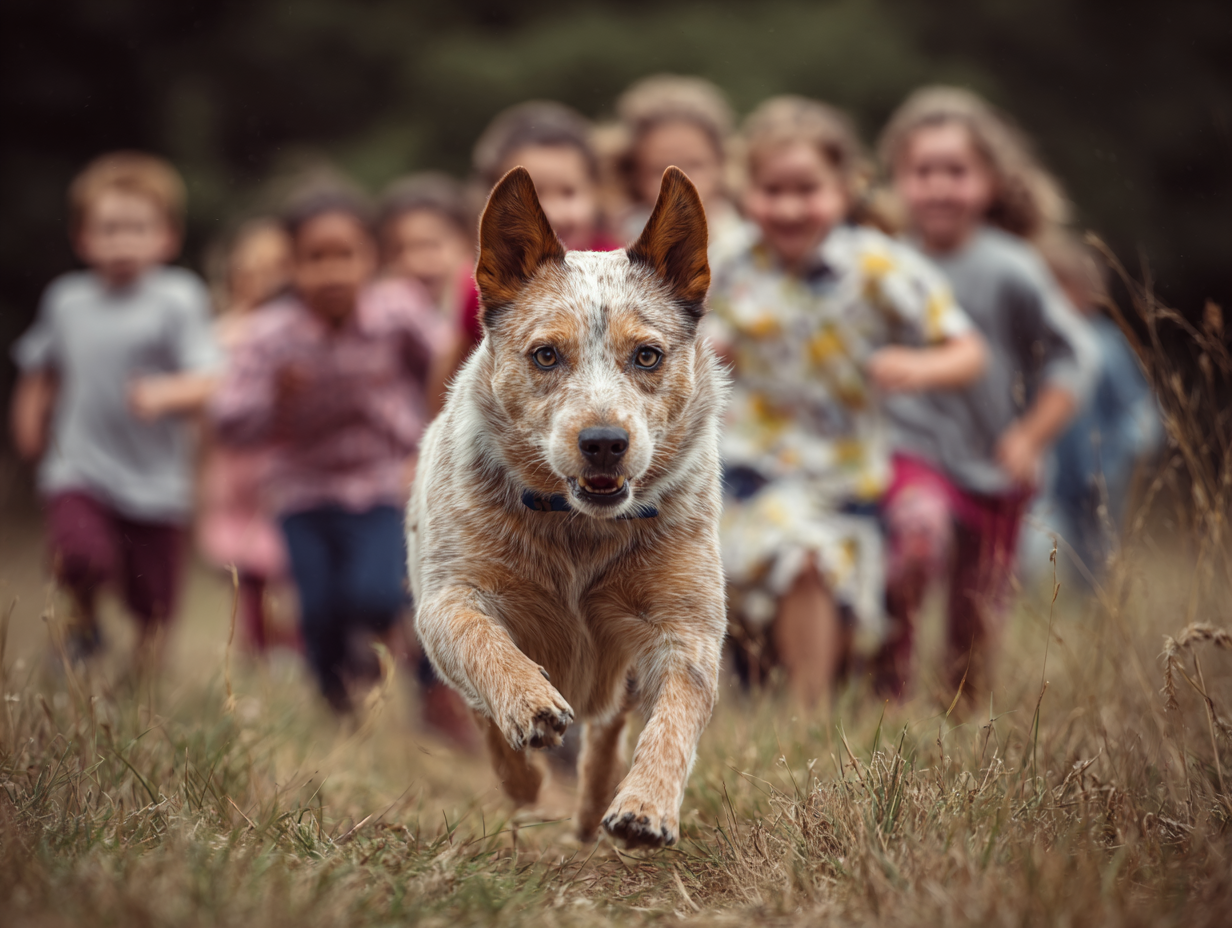
- Your Australian Cattle Dog "herds" your children at the park
- Your Collie gets anxious when family members are in different rooms
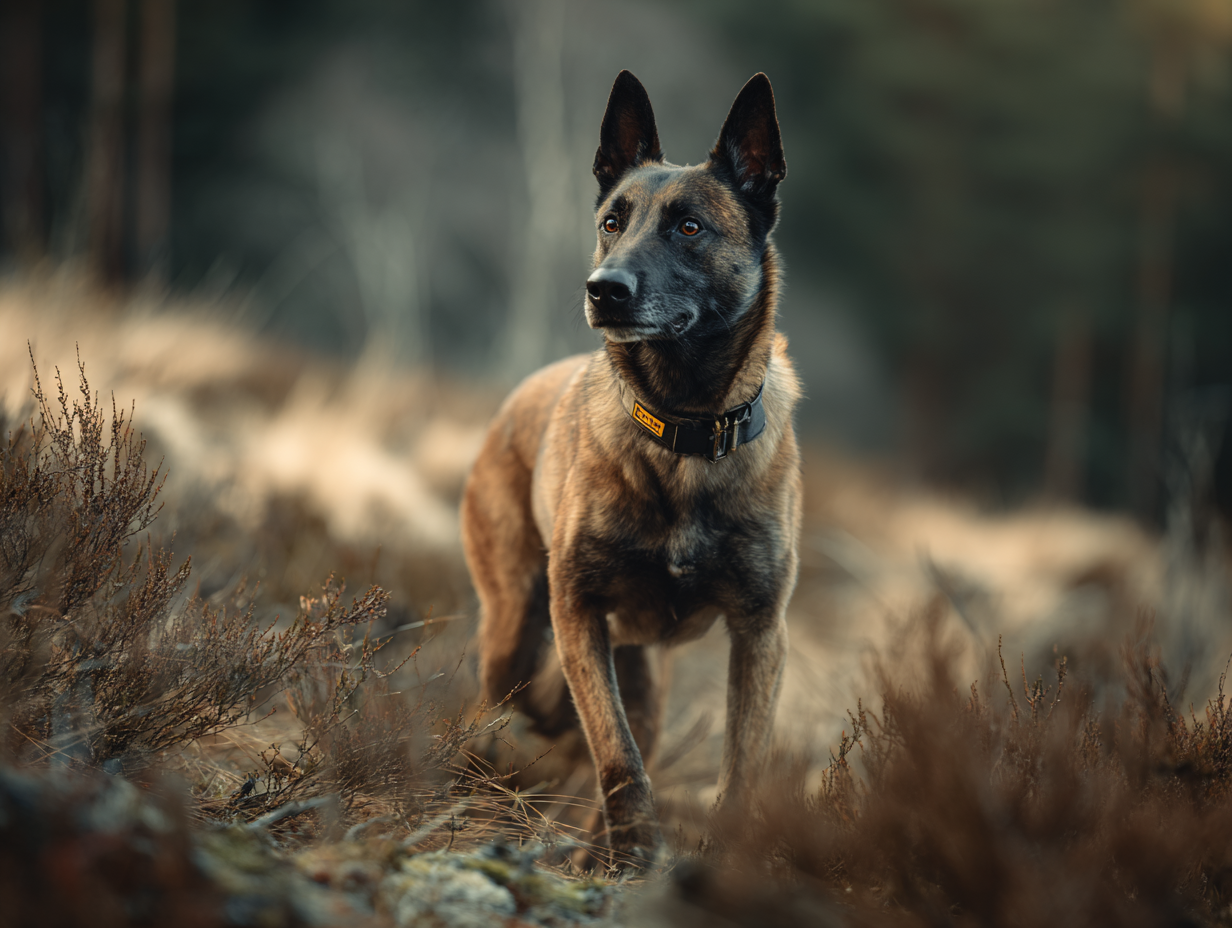
- Your Belgian Malinois has opinions about where everyone should be standing
The Breeds: Border Collie, Australian Shepherd, Old English Sheepdog, Pembroke Welsh Corgi, German Shepherd
Why They Do It: Herding dogs were bred to make thousands of micro-decisions every day, reading animal behavior and adjusting their approach in real-time. Your living room isn't that different from a pasture — there are moving objects that need managing.
The Guardians: Professional Bodyguards
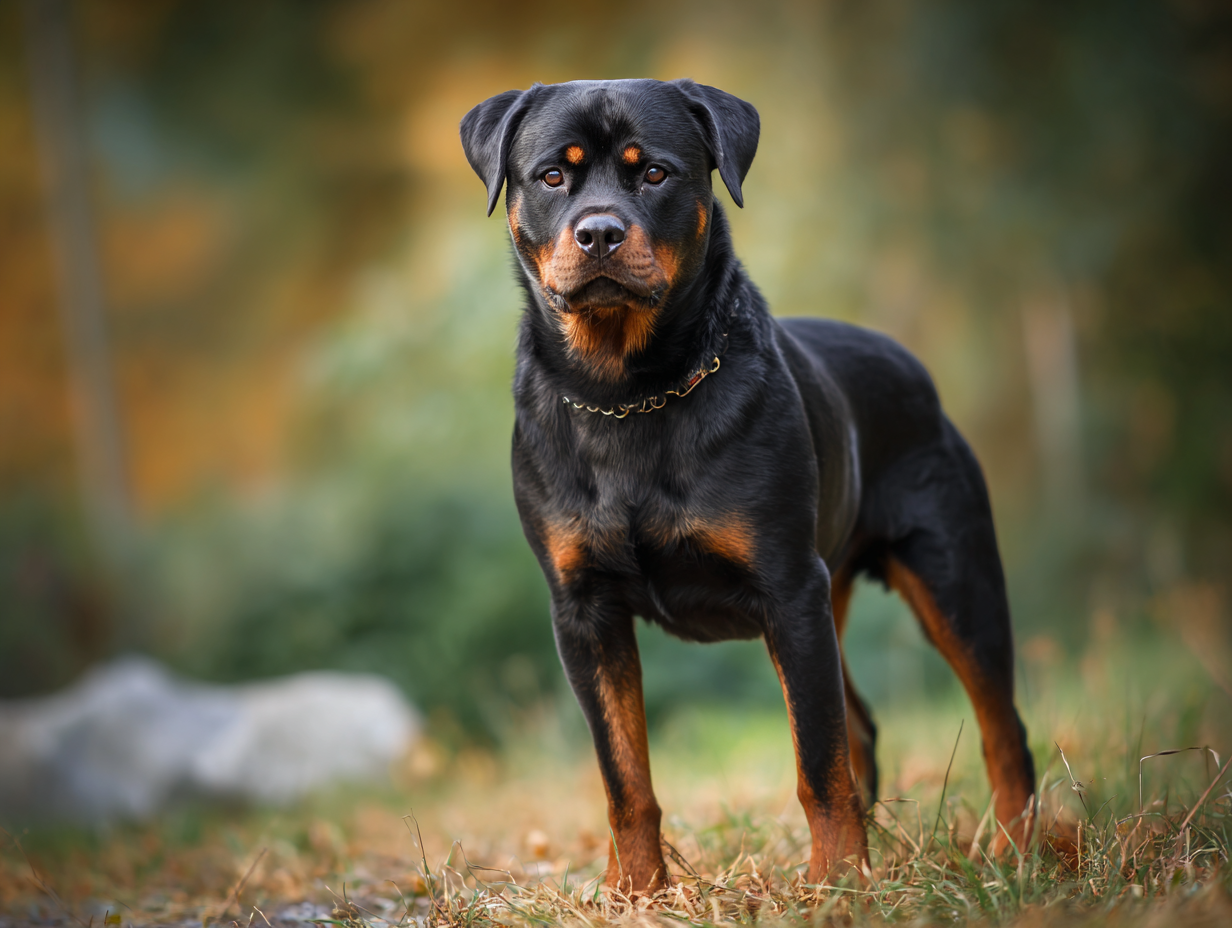
The Personality: These dogs were bred to make life-or-death decisions independently. They're natural protectors who take their jobs seriously — even when their "job" is protecting you from the mailman.
How It Shows Up:
- Your Rottweiler positions himself between you and strangers
- Your Doberman knows the sound of every car that belongs in your neighborhood
- Your Mastiff looks lazy until something's actually wrong
The Breeds: German Shepherd, Belgian Malinois, Anatolian Shepherd, Cane Corso, Bullmastiff
Why They Do It: Guardian breeds were bred to work independently, often alone with livestock for weeks. They had to distinguish between normal and threatening without human guidance. That same assessment runs 24/7 in your house.
The Hunters: "Everything Is Prey Until Proven Otherwise"
The Sighthounds: The Sprinters
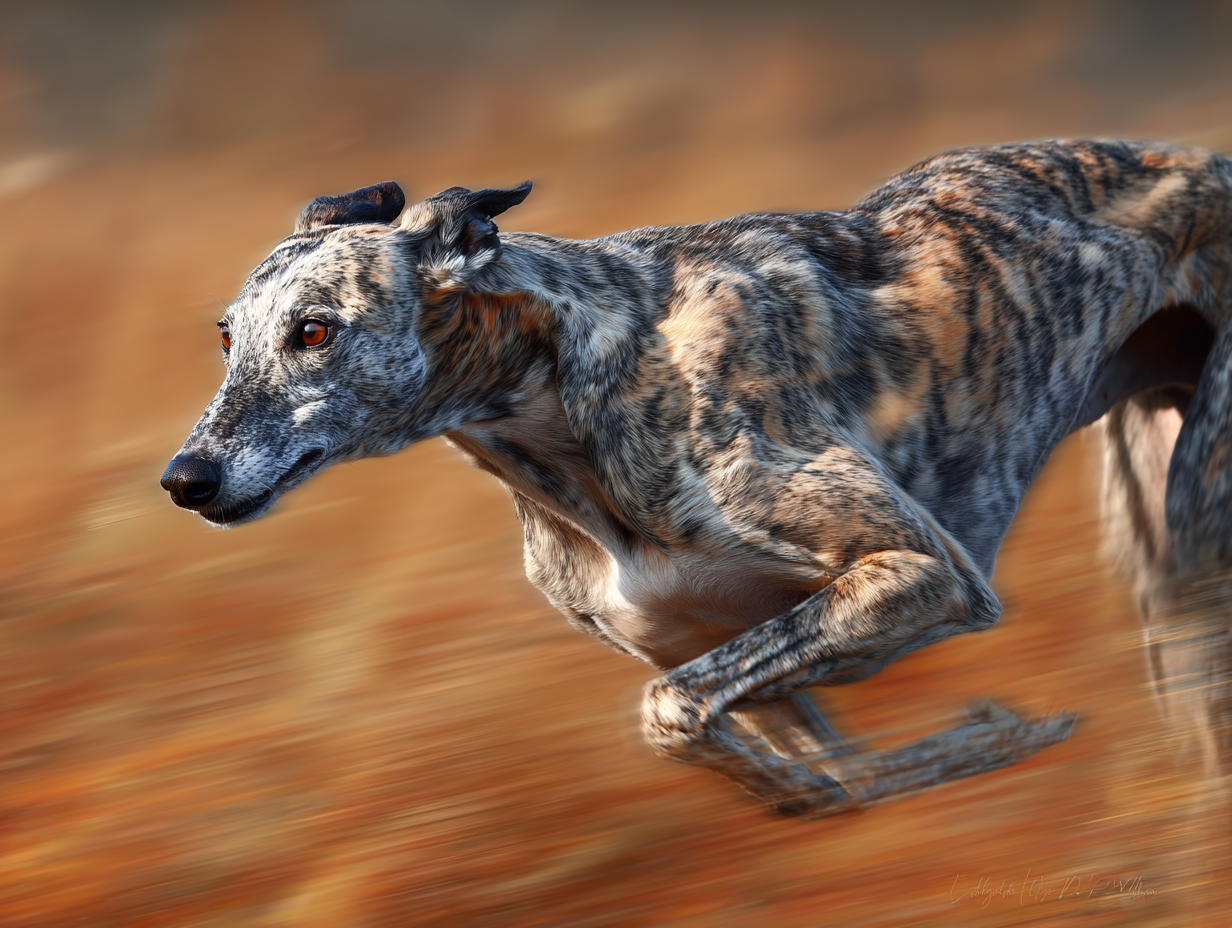
The Personality: Built for explosive speed and laser focus. These dogs see movement and think "CHASE" before their brain catches up. They're sprinters, not marathon runners — intense bursts followed by legendary napping.
How It Shows Up:
- Your Greyhound goes from zero to zoomies in 0.3 seconds
- Your Whippet sleeps 18 hours a day and is totally fine with this
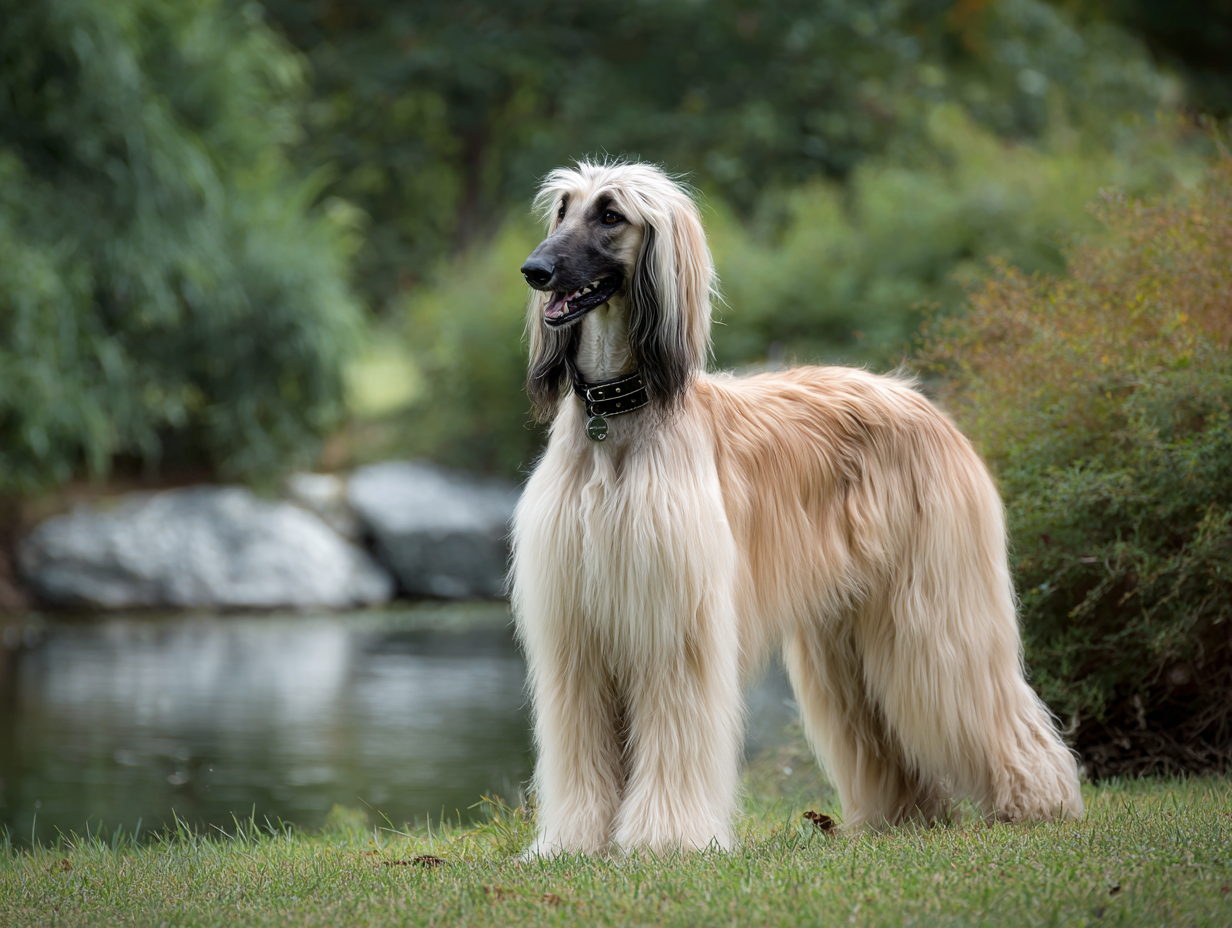
- Your Afghan Hound seems aloof until a squirrel appears
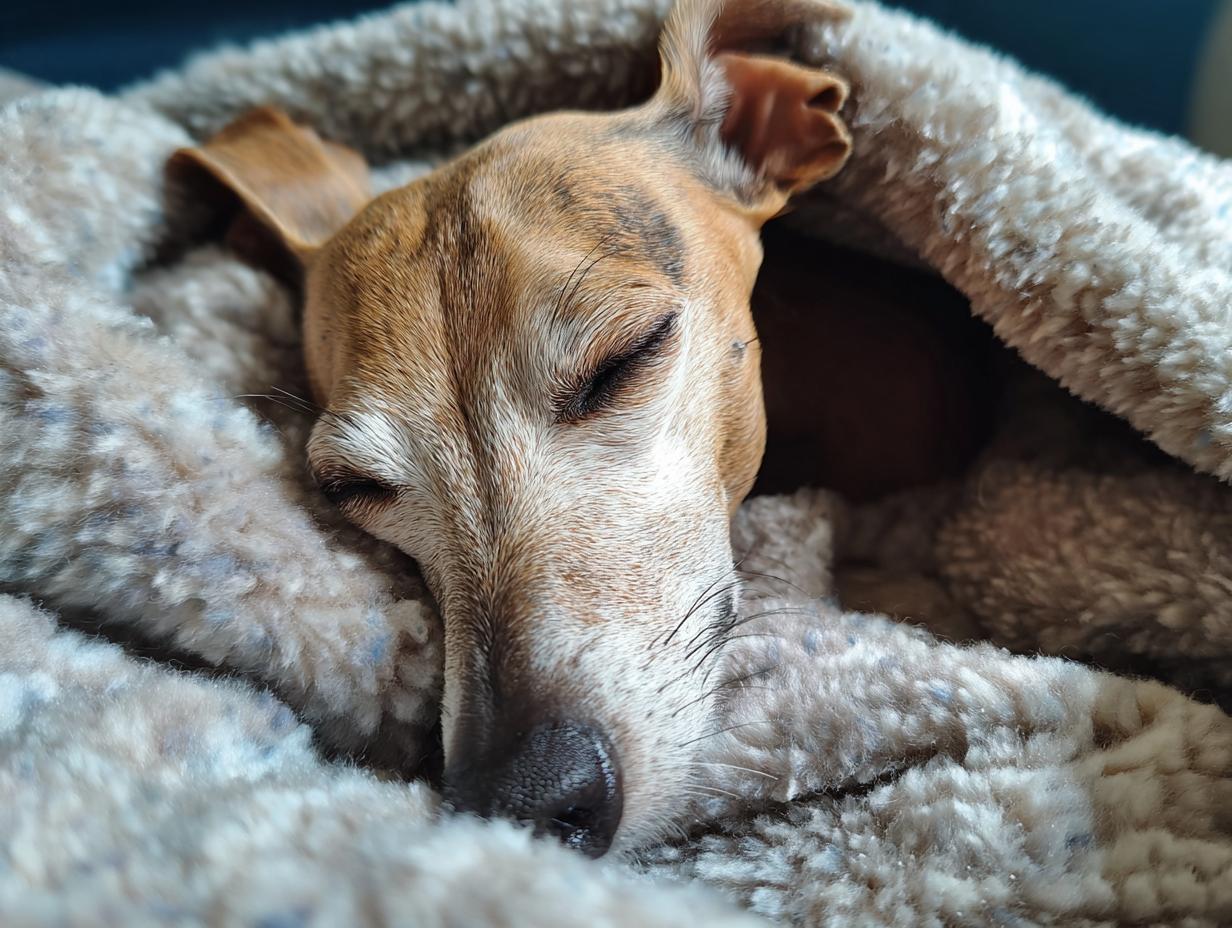
The Breeds: Greyhound, Italian Greyhound, Saluki, Borzoi, Irish Wolfhound
Why They Do It: Sighthounds were bred for short, intense chases across open ground. Their entire nervous system is optimized for "see prey, run prey down, rest." Your backyard is just a very small hunting ground.
The Scenthounds: The Detectives
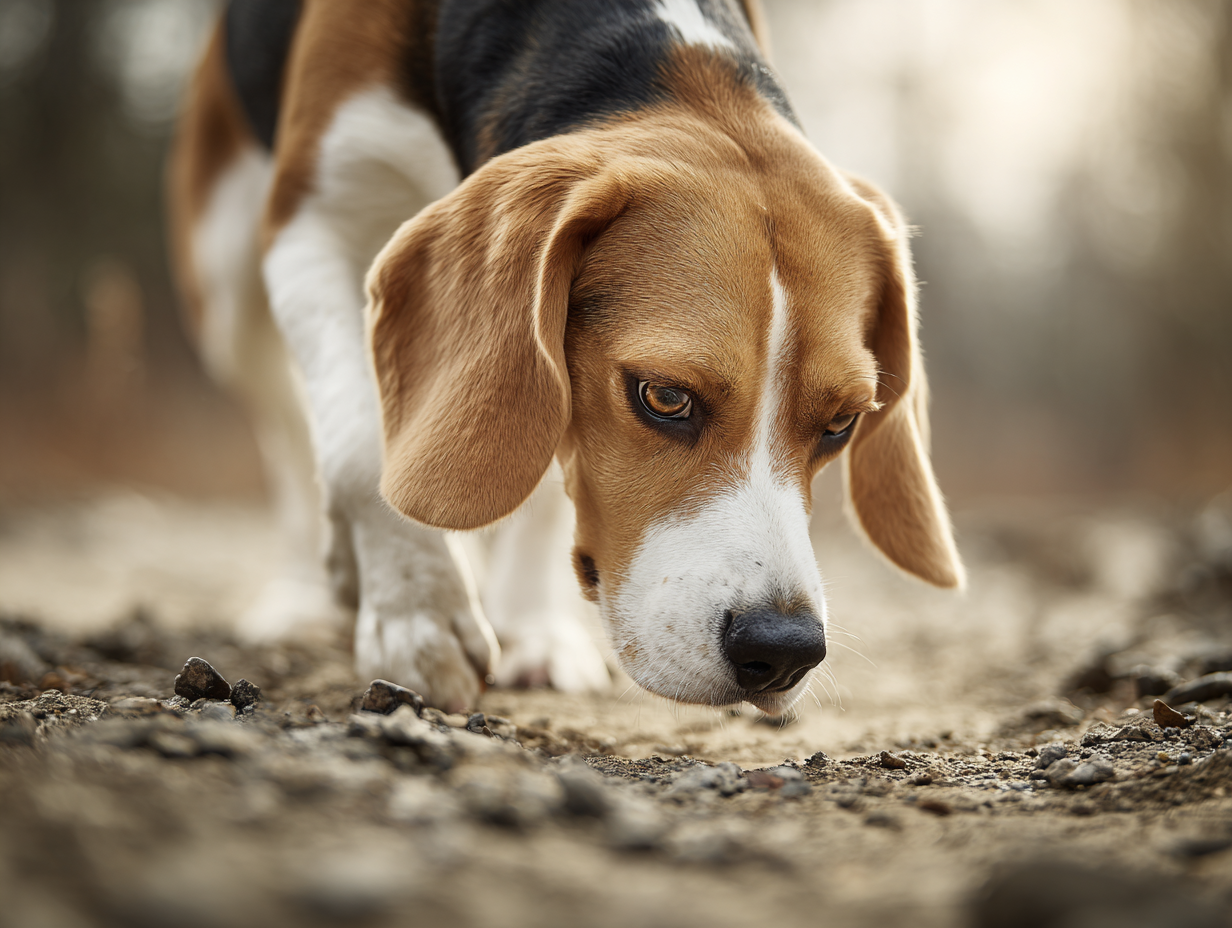
The Personality: These dogs experience the world through their noses first. They're natural investigators, following scent trails like detectives following clues. Everything else — including you — is secondary to The Smell.
How It Shows Up:
- Your Bloodhound ignores you completely during walks
- Your Beagle finds food you didn't even know you dropped
- Your Basset Hound follows invisible trails around your house
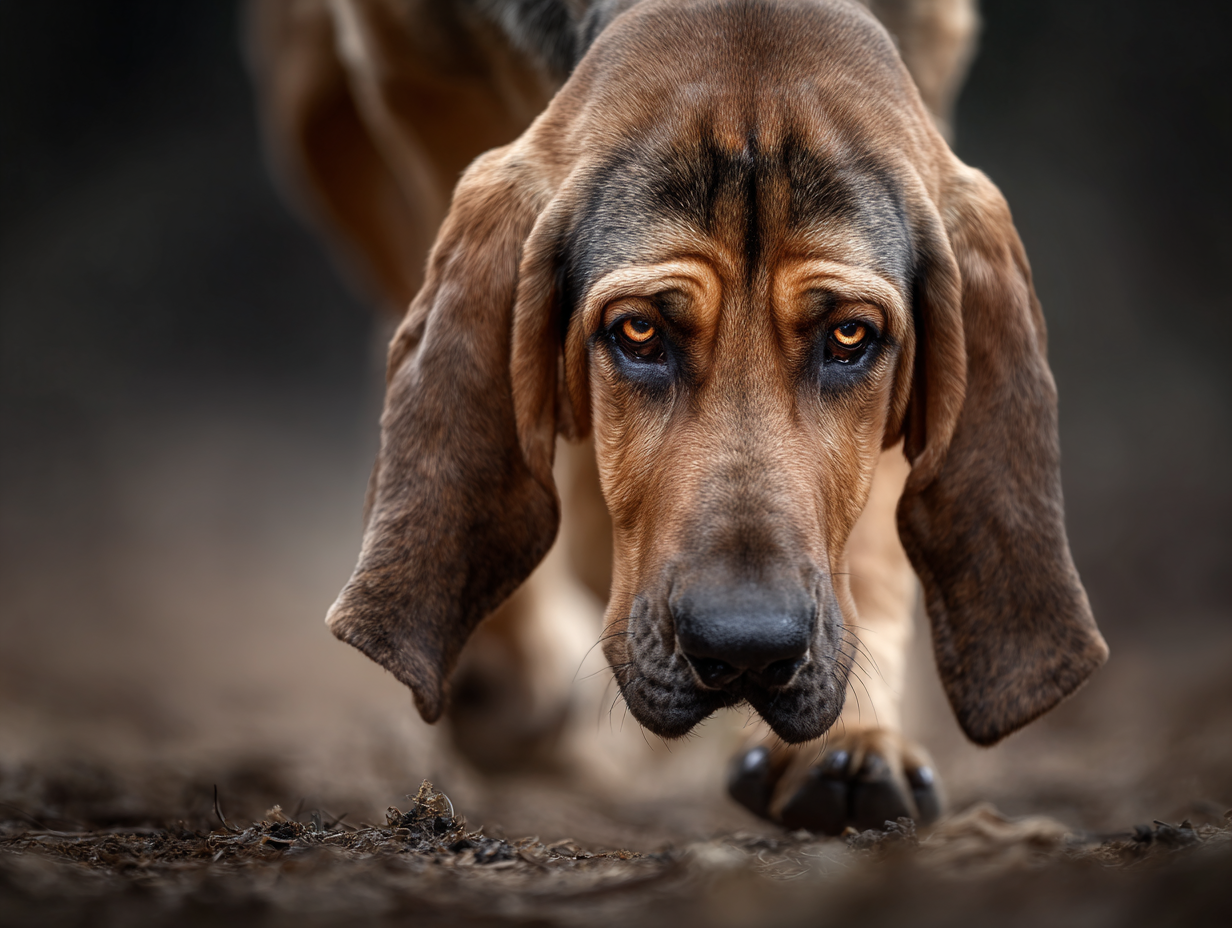
The Breeds: Bloodhound, Beagle, Coonhound, Foxhound, Dachshund
Why They Do It: Scenthounds were bred to follow scent trails for hours or days, often ignoring everything else. Their noses have up to 300 million scent receptors (humans have 6 million). Your daily walk is a symphony of smells you can't even imagine.
The Terriers: The Exterminators
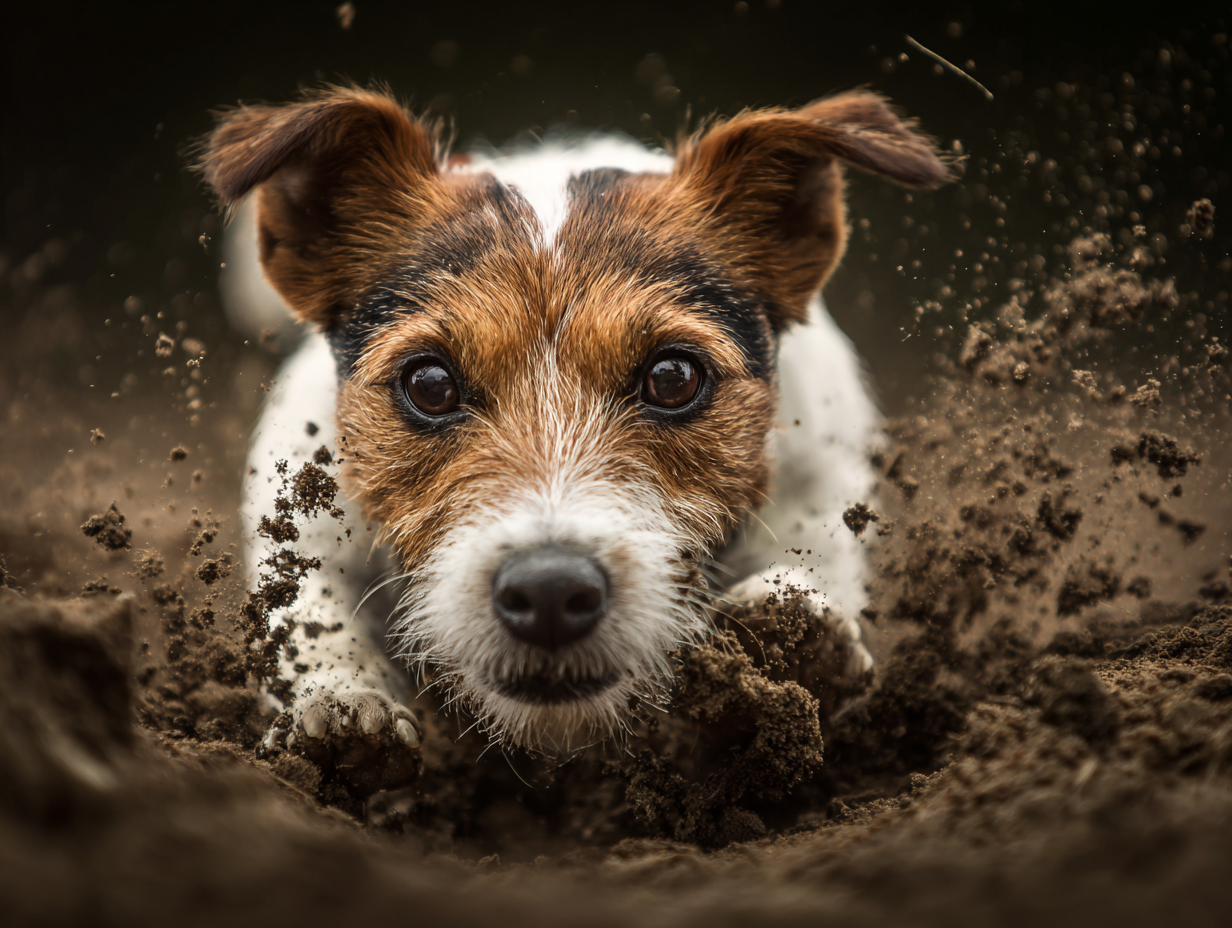
The Personality: Bred to hunt and kill small prey independently. They're fearless, determined, and absolutely convinced they can take anything in a fight. Size is irrelevant — courage is everything.
How It Shows Up:
- Your Jack Russell picks fights with dogs five times his size
- Your Scottish Terrier digs holes like he's mining for gold
- Your Bull Terrier has zero concept of "too dangerous"
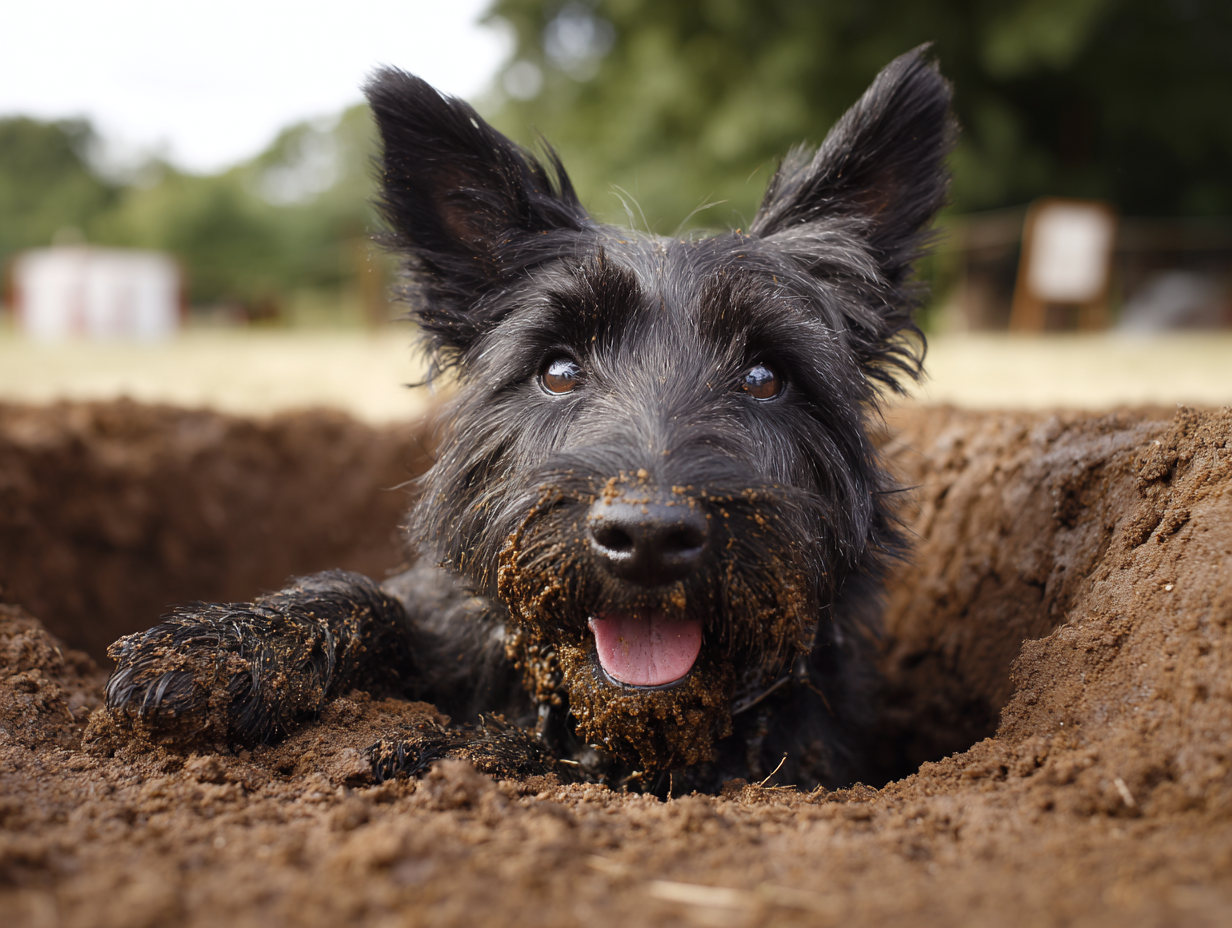
The Breeds: Jack Russell Terrier, Fox Terrier, West Highland Terrier, Cairn Terrier, Airedale Terrier
Why They Do It: Terriers were bred to go underground and fight rats, badgers, and foxes to the death. In spaces so tight they couldn't turn around. They had to be more determined than their prey, no matter what. That same "never give up" runs in their DNA.
The Companions: "My Job Is Loving You"
The Lap Dogs: Professional Snugglers
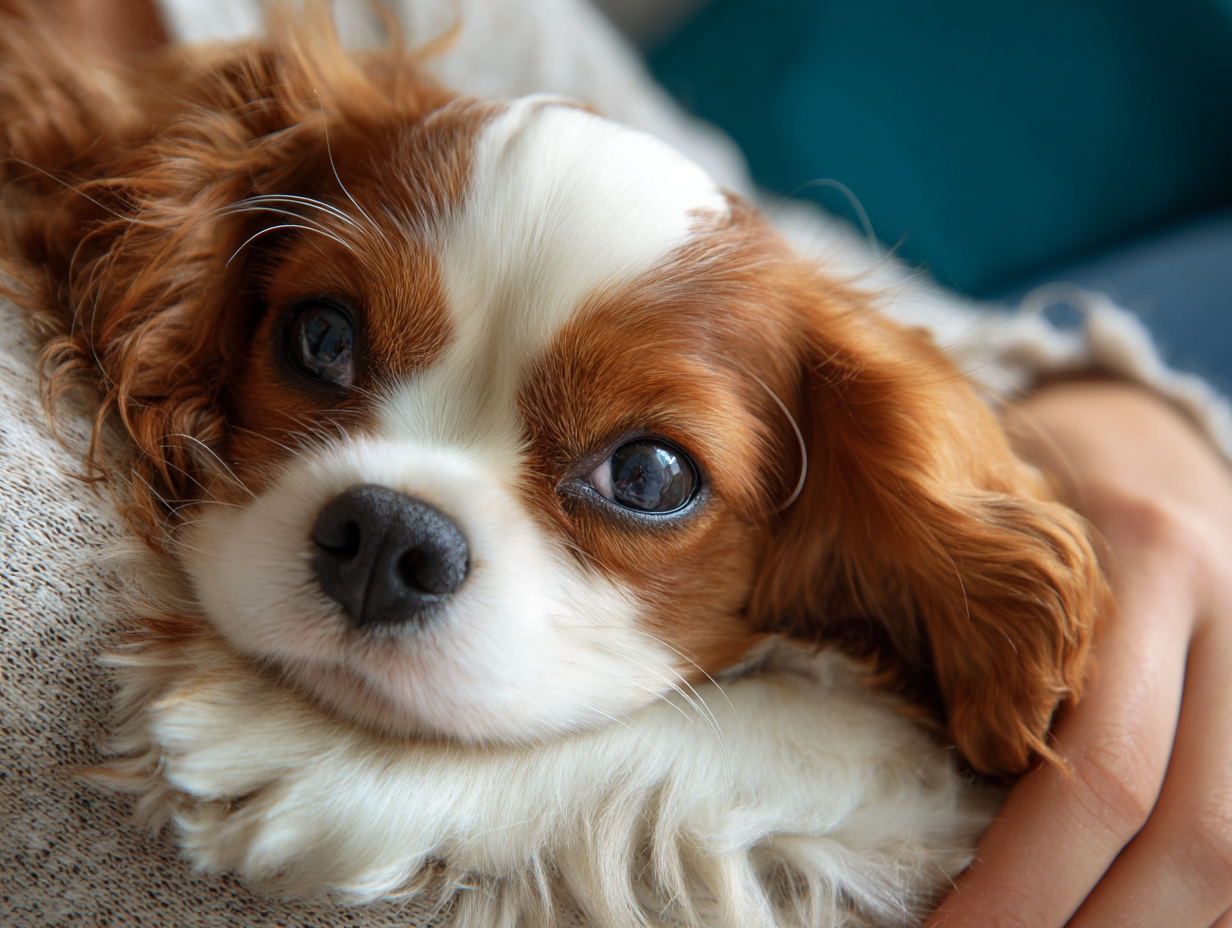
The Personality: Bred specifically to be charming, portable, and utterly devoted to their humans. They're not "useless" — their job was to be irresistible. And they're still punching the clock.
How It Shows Up:
- Your Cavalier King Charles Spaniel follows you to the bathroom
- Your Pug believes the optimal distance between you is zero inches
- Your Shih Tzu judges your dating choices
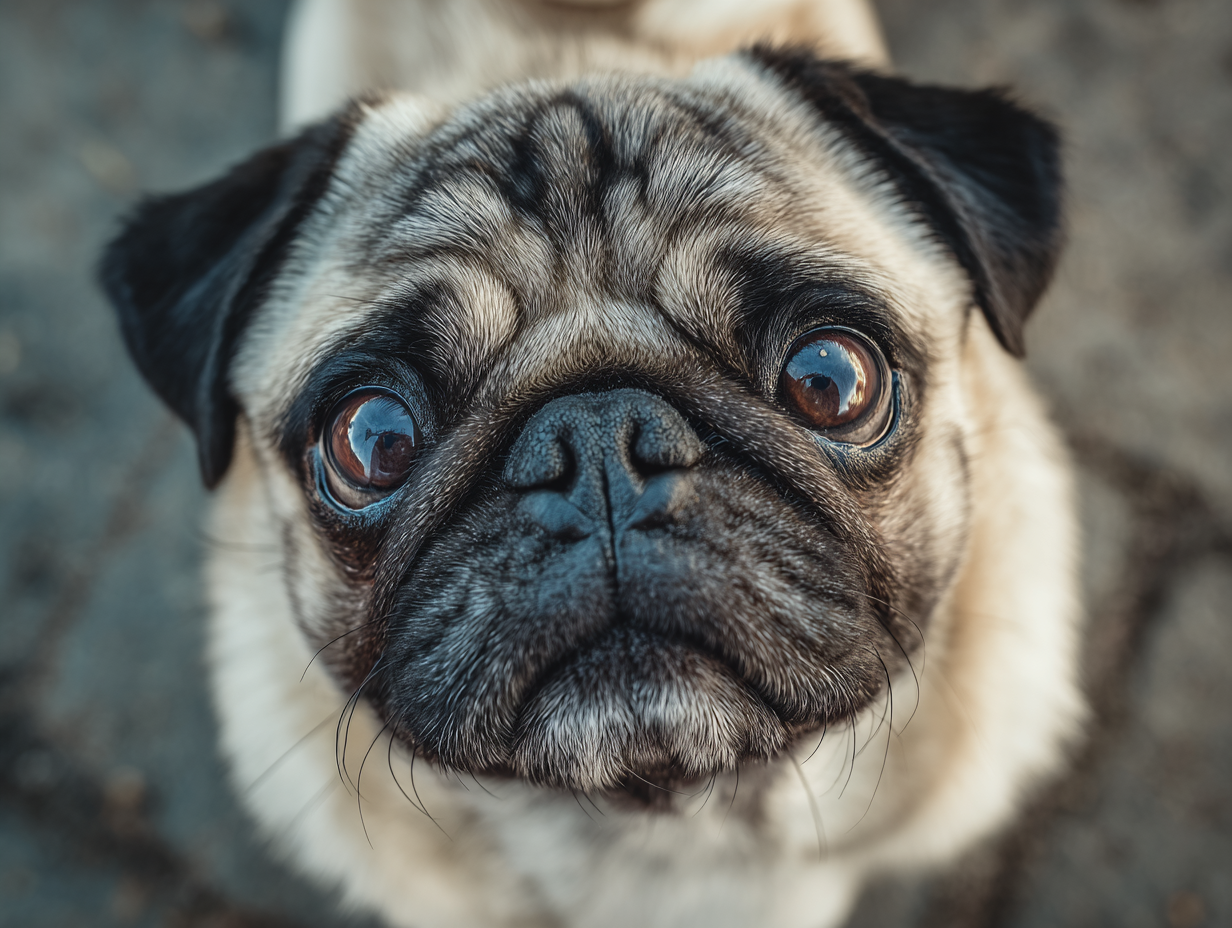
The Breeds: Cavalier King Charles Spaniel, Pug, Pekingese, Japanese Chin, Havanese
Why They Do It: Companion breeds were literally bred to be perfect partners. For centuries, their survival depended on being irresistible to humans. They're not needy — they're professionals.
The Retrievers: The People Pleasers
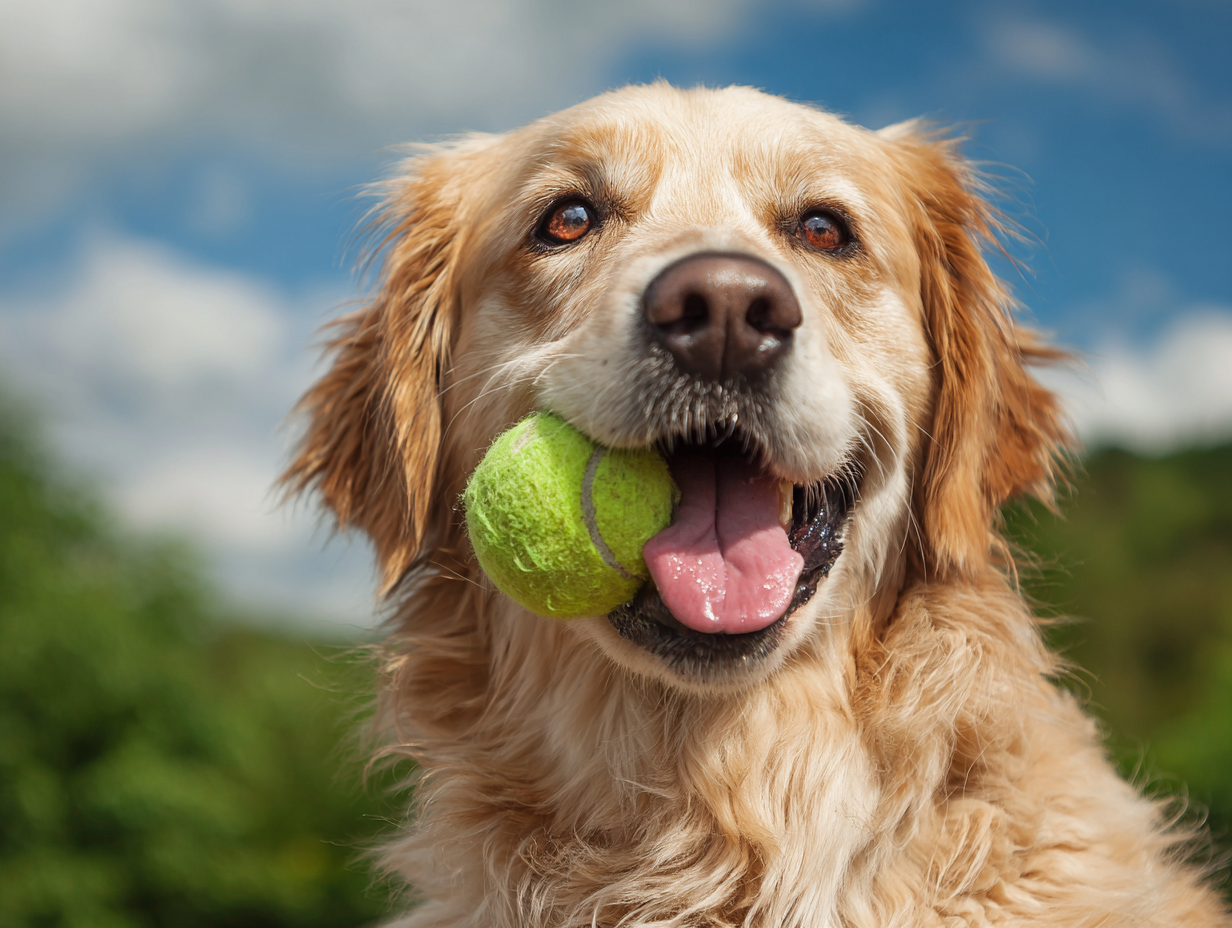
The Personality: Bred to work in partnership with humans, reading subtle cues and responding perfectly. They're natural people-pleasers who live to make you happy. Your approval is their paycheck.
How It Shows Up:
- Your Labrador Retriever brings you random objects as gifts
- Your Golden Retriever apologizes when you stub your toe
- Your Nova Scotia Duck Tolling Retriever can read your mood before you can
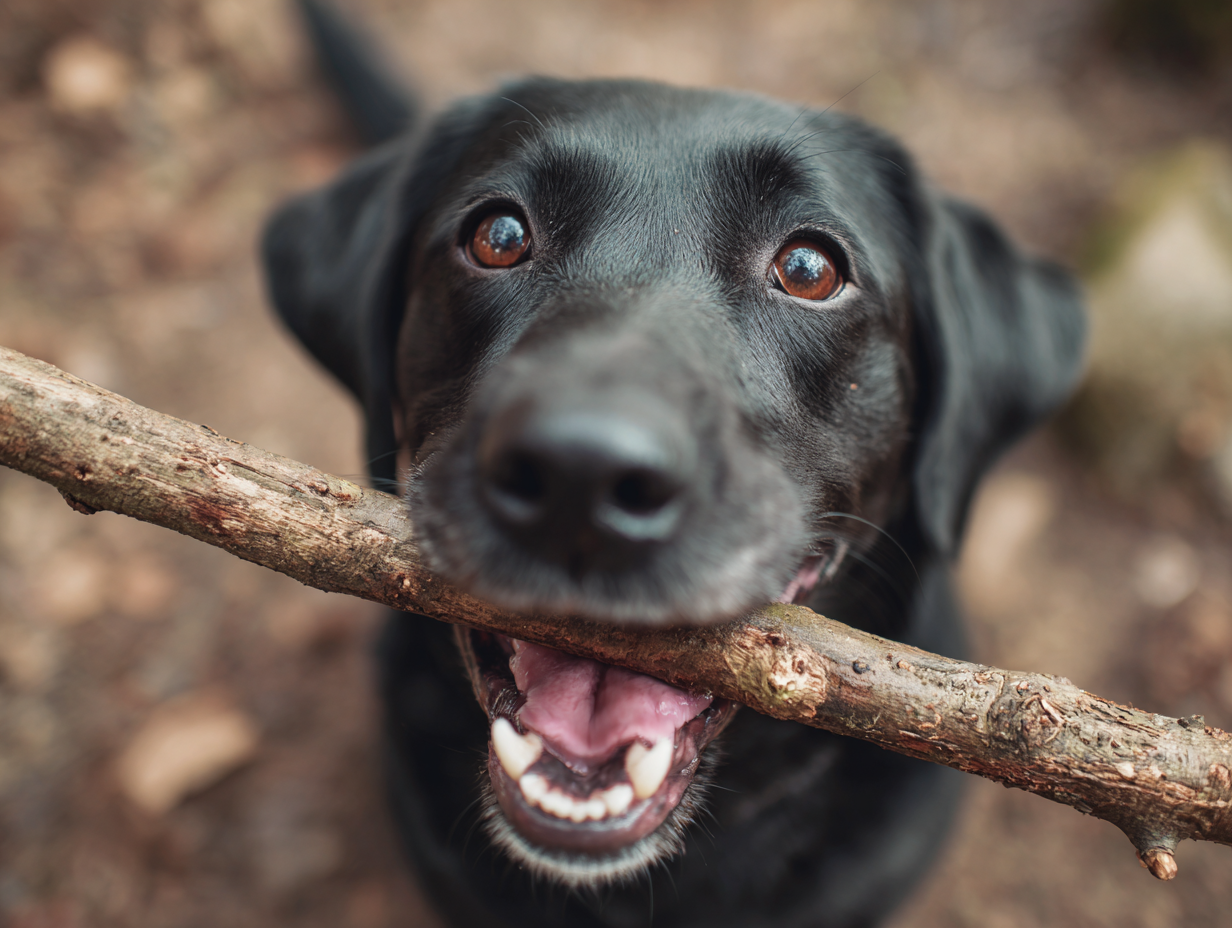
The Breeds: Labrador Retriever, Golden Retriever, Chesapeake Bay Retriever, Flat-Coated Retriever
Why They Do It: Retrievers were bred to work in perfect sync with hunters, responding to hand signals and whistle commands from hundreds of yards away. Reading human communication is their superpower.
The Spitz Breeds: "I'll Think About It"
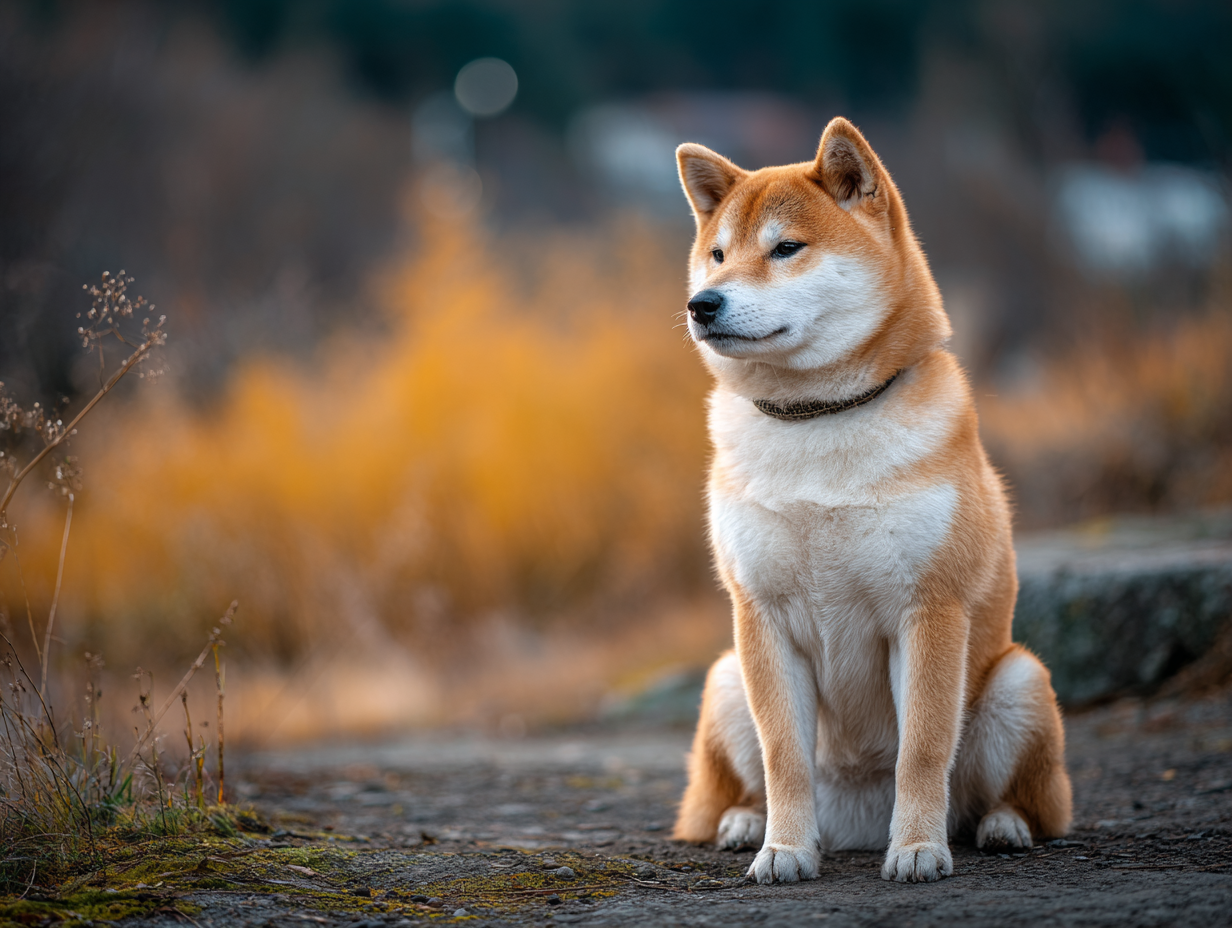
The Personality: Independent thinkers bred to work in harsh conditions with minimal human supervision. They're smart, stubborn, and absolutely convinced they know better than you. Because often, they do.
How It Shows Up:
- Your Shiba Inu gives you a look that says "seriously?"
- Your Siberian Husky ignores commands he finds unreasonable
- Your Akita makes decisions and then informs you
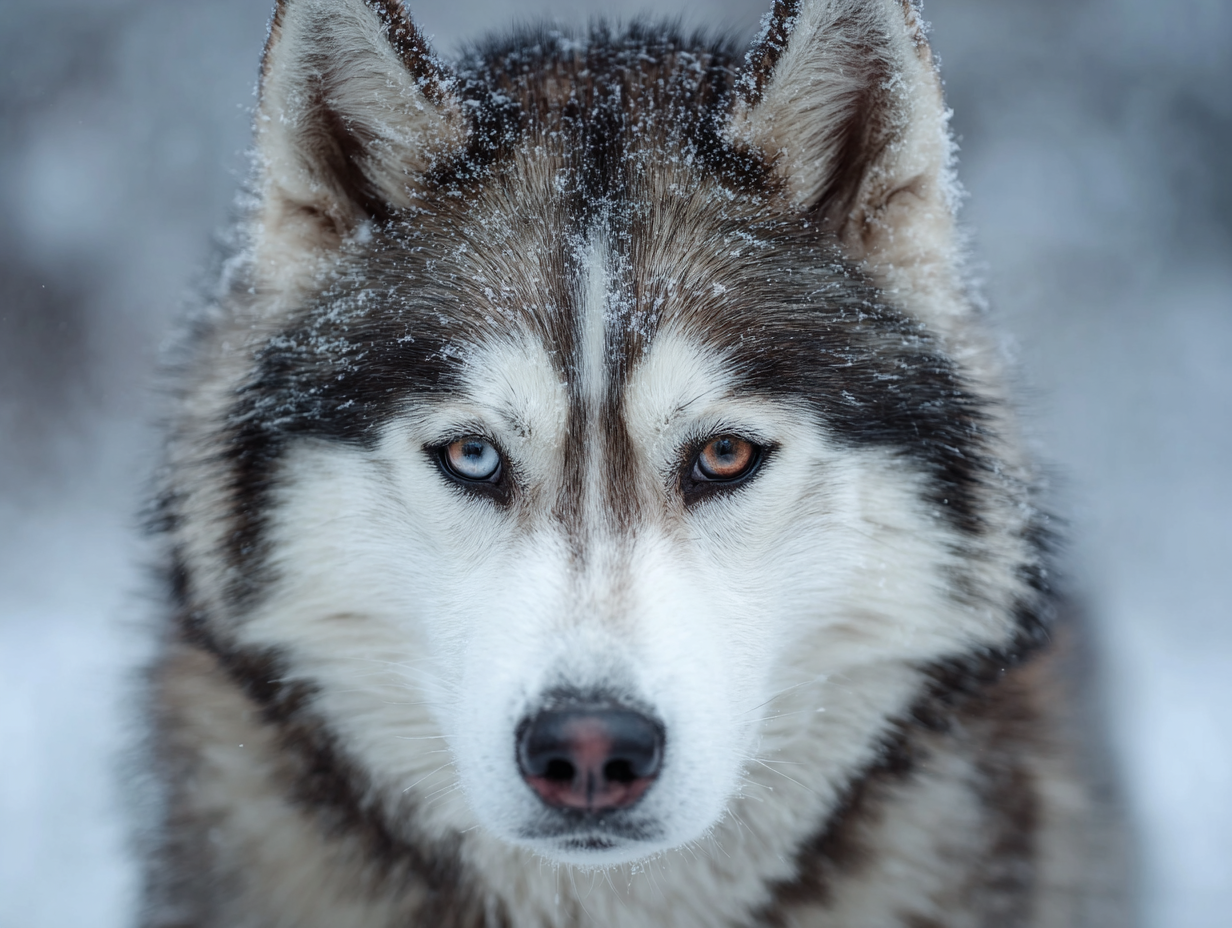
The Breeds: Siberian Husky, Alaskan Malamute, Samoyed, Shiba Inu, Akita
Why They Do It: Spitz breeds were bred to survive in conditions that would kill humans, often making life-or-death decisions independently. Blind obedience wasn't just useless — it was dangerous. They think first, obey second.
Mixed Breeds: The Plot Twist
The Personality: Every mixed breed is a genetic mystery box. A Labradoodle might get the Poodle's intelligence with the Lab's people-pleasing. Or the Lab's energy with the Poodle's independence. You won't know until they grow up.
How It Shows Up: Your Golden Doodle might be the world's friendliest genius or the world's smartest escape artist. Your Puggle might have the Pug's charm with the Beagle's nose, or the Beagle's stubbornness with the Pug's breathing problems.
The Strategy: Watch which traits emerge and adjust accordingly. Mixed breeds often get the best of both worlds — or the most interesting combinations.
Working With Your Dog's Personality (Not Against It)
For the Working Dogs:
- Give them jobs: Puzzle toys, training sessions, "helping" with yard work
- Mental exercise is as important as physical
- Channel their energy into appropriate outlets
For the Hunters:
- Respect their instincts: Use long lines, not just trust
- Provide appropriate chase games: Flirt poles, fetch, lure coursing
- Don't punish them for being what they are
For the Companions:
- Their job is loving you — let them do it
- Socialization is crucial for confidence
- Small doesn't mean delicate
For the Independent Thinkers:
- Train with respect, not dominance
- Make following you worth their while
- Accept that "because I said so" isn't enough
The Bottom Line
Your dog's personality isn't a bug you need to fix — it's a feature you need to understand. The Border Collie who organizes your socks isn't neurotic; he's doing what thousands of generations of selective breeding designed him to do. The Basset Hound who ignores you on walks isn't stubborn; she's following genetic programming that's older than most human cities.
The secret to a happy dog isn't changing their personality — it's understanding it, respecting it, and finding ways to let them be brilliantly, authentically themselves.
Because at the end of the day, they're not broken humans. They're perfect dogs.
Want to celebrate your dog's unique personality? Explore our breed-specific gifts designed for people who understand that every dog is exactly who they're supposed to be.
Explore All 444 Breeds →